fogging controversy & some local pests

It all began when Bill, a club member with several hives 600 feet from the local school, learned that Zika inspired pesticide applications had occurred and would continue.  It was little consolation to Bill that the fogging occurred when school was out, since Bill’s bees do not observe the school’s calendar.

The April club meeting was, as usual, well attended and our eyes swiveled to the young man (when you are 66 most look young), Max, who stood uncertainly at the front of the room while the introduction was made.  He was the fogger man.  He rattled off his pesticide credentials, his training in IPM (integrated pest management), his allergic child and therefore attuned sensitivity to toxins, and said he was there to reassure us that our bees would be ok.

When I was transferred from NYC to the south my then boss took me aside and said “this is how it is.  In New York if we don’t like you we tell you to your face, where you are going they are always friendly and you will not be able to tell if they like you or not.  Personally, I prefer the latter”.  So I watched and listened to the cordial interactions between our members and Max.  Hard to discern any animosity, and comments approaching a challenge were couched in gentle assurances would make a statesman proud.

Eventually I asked if these applications could be described as IPM since a tenet of IPM is you first identify the presence of a pest before you begin the treatment; furthermore even if there were Zika carrying mosquitoes frequenting the playgrounds surely when the fogging was done and the spray subsided (and incidentally all the bees in the area nailed), the next day a gust of wind could bring me more Zika carriers.  Wouldn’t it be better to larvacide standing water in the area?  This opened the floodgate  and Max was questioned and acknowledged he had not monitored or identified any Zika mosquitoes prior to spraying; that mosquitoes can and will travel a good few miles in search of protein; and that his ‘cides were harmful to bees.

Our club leaders met with the county school officials, the local radio and TV stations joined the drumbeat and to the relief of our club, all spraying operations have been halted.

However if Zika concerns mount and a vaccination is not speedily developed fogging will increase and insects and bees decrease.

Talking of pests, here are two we found in our house.  M. was not happy to see this fellow/gal under the dish washing liquid bottle:
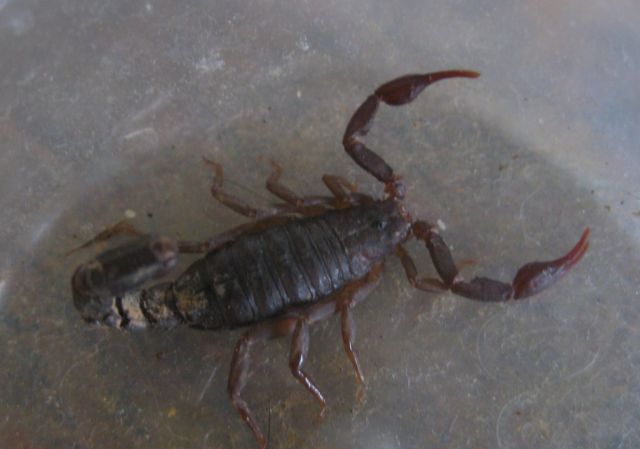
a house scorpion. good practice is to shake out the shoes before putting them on

And M. was upset (putting it lightly) to find this on our pillow:
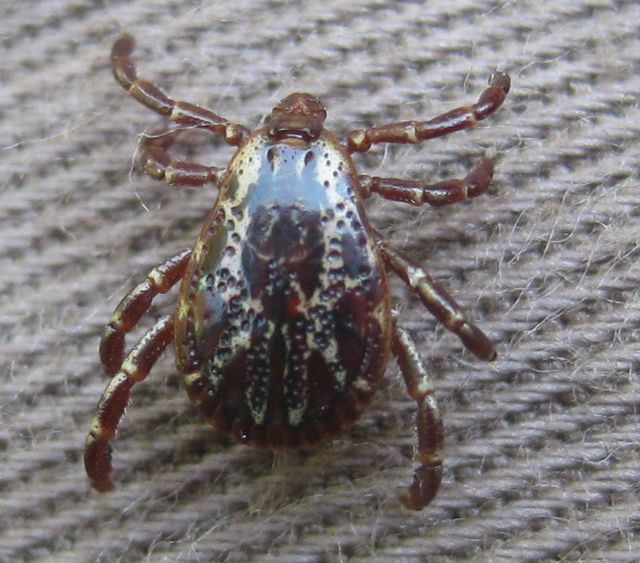
a local tick - there are lots around and my high grass and excessive vegetation doesn't help
a local tick – there are lots around and my high grass and excessive vegetation doesn’t help

To end on a positive note – I was very happy to spot this young king snake near my compost heap.  In previous posts I mentioned how large king snakes >6 feet had vanquished rodents from our chicken coop.  I haven’t seen any copperheads at my farm but they are around in our Atlanta subdivision and I attribute this to our Atlanta locals killing off the gentle king snakes, which snack in venomous snakes.
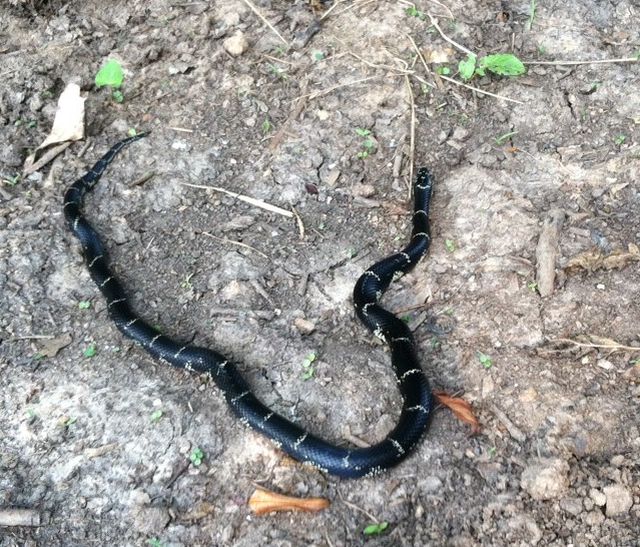
the gentle king snake


pollinators busy

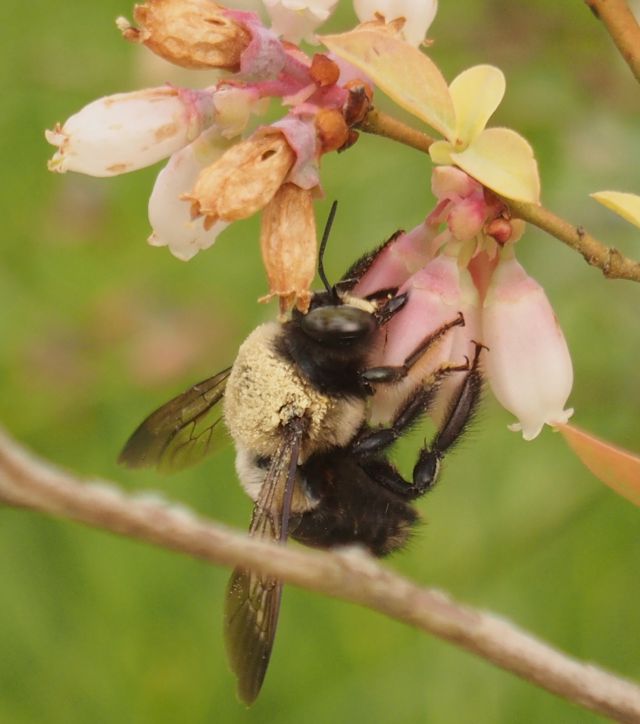
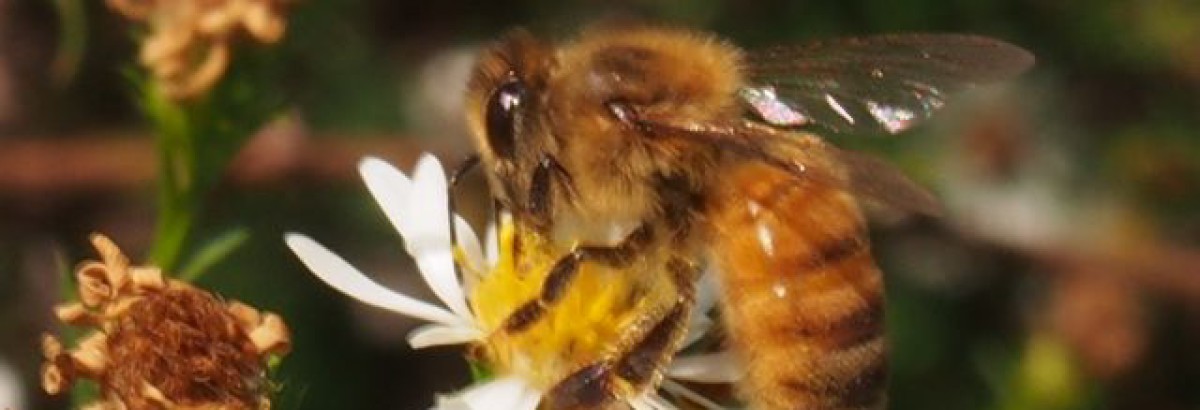
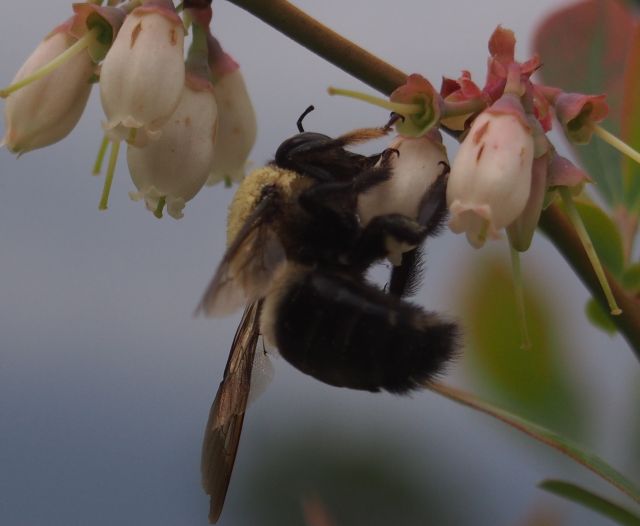
Last week (April 21) I was at the top of the hill watering the blueberries when I saw the busy bumblebees and honey bees.

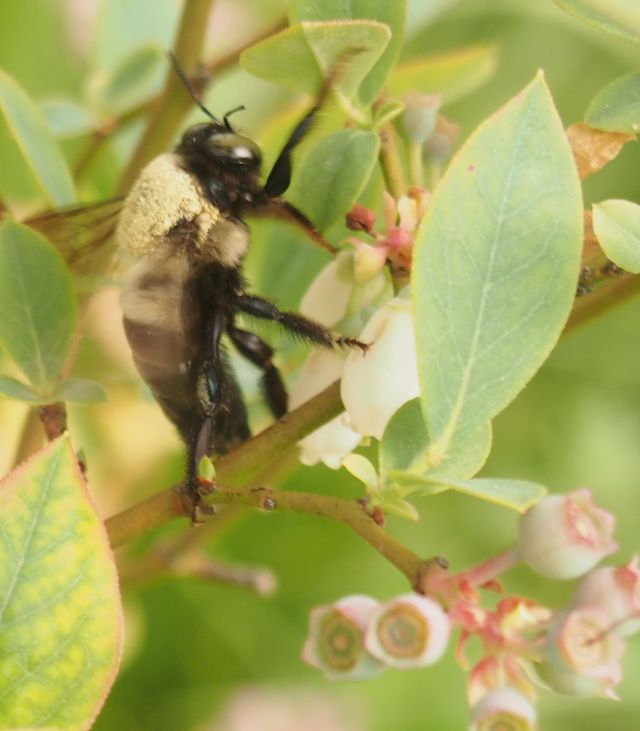
bumblebees not honey bees pollinate my blueberries

This year I added sulfur powder to lower the ph and also Starbuck coffee grounds and I am hoping for an even better blueberry yield.

bumblebees with their hairy yellow abdomen, I like. Not so the black abdomen carpenter bees which bore into the wood siding of my house

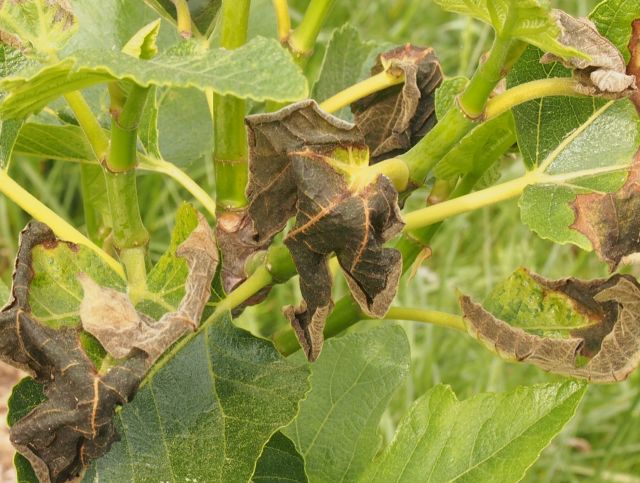
I mentioned to my neighbor a Southern saying that came my way – don’t plant before tax day (April 15) and he replied that where we live which is in the foothills of Appalachia the last cold is when the blackberries flower.  And he was right – after tax day we had a cold shiver and my figs were slightly damaged.

some fig leaves turned black but this year, unlike the previous 3 years, the limbs survived

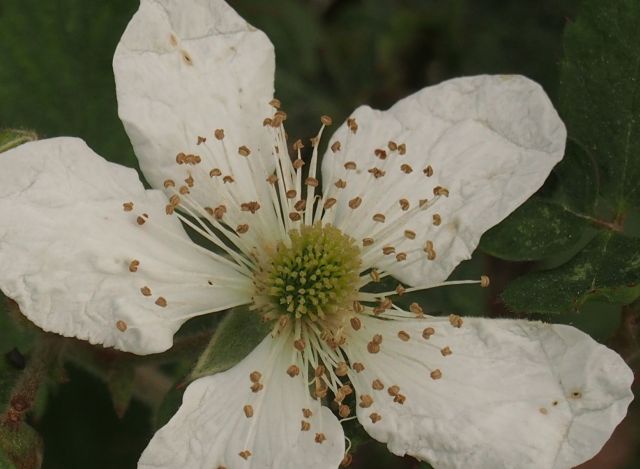
And here is a blackberry in flower.

during the cold months I weeded and mulched my blackberries. I don't irrigate them and they drink off a contour ditch which snags water sliding down the hill
during the cold months I weeded and mulched my blackberries. I don’t irrigate them and they drink off a contour ditch which snags water sliding down the hill

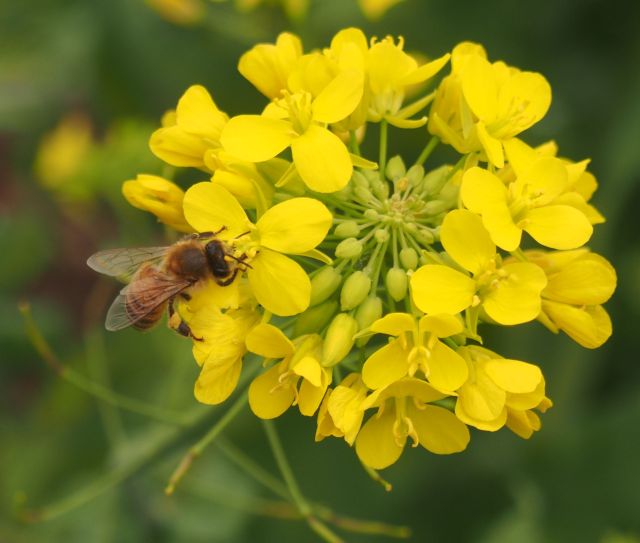
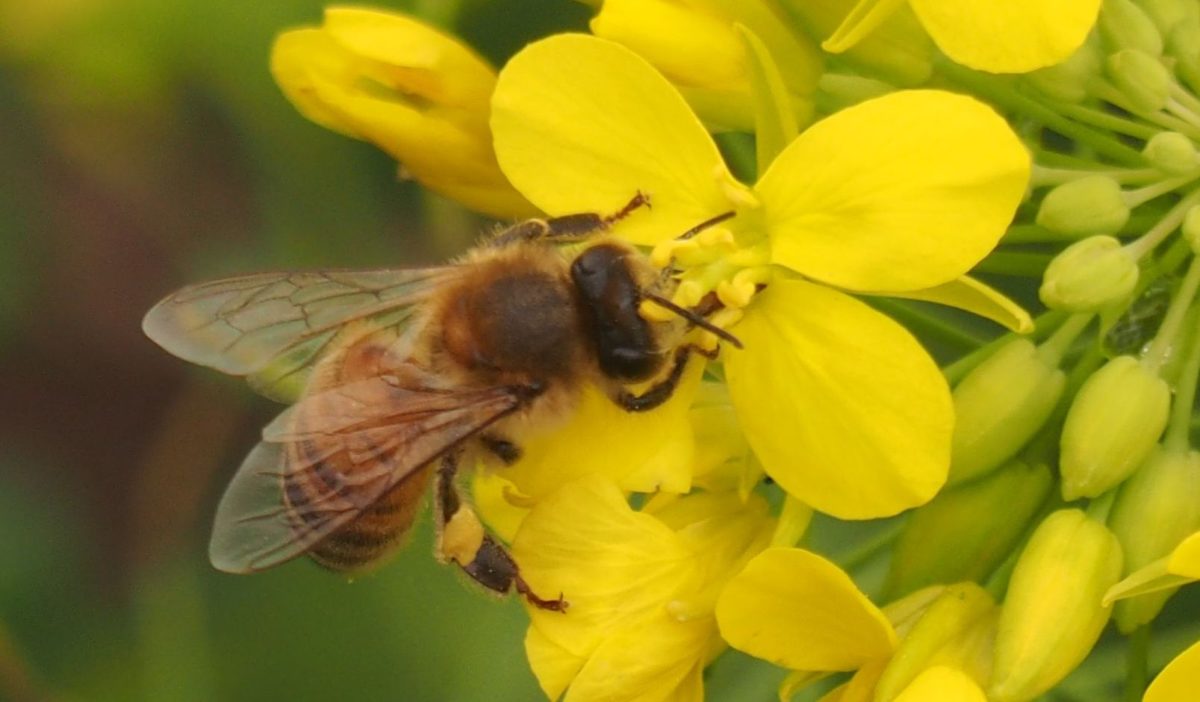
My bees love the turnip flowers which I have growing everywhere.

OLYMPUS DIGITAL CAMERA

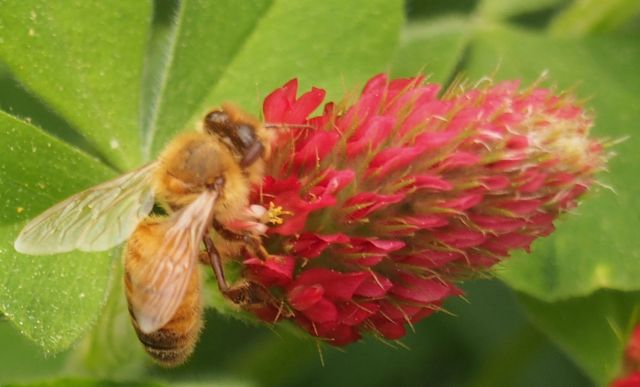
And crimson clover, which I am loathe to cut down.

crimson clover
crimson clover

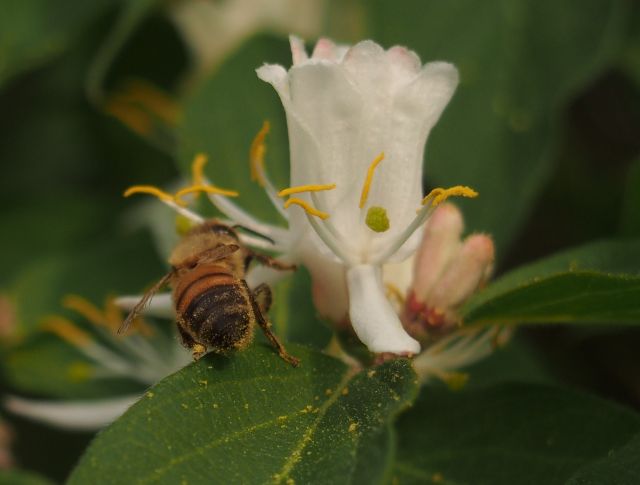
And a fragrant invasive honeysuckle (Lonicera maackii) which appears along the edges of the adjacent woods.

these plants grow naturally in the area

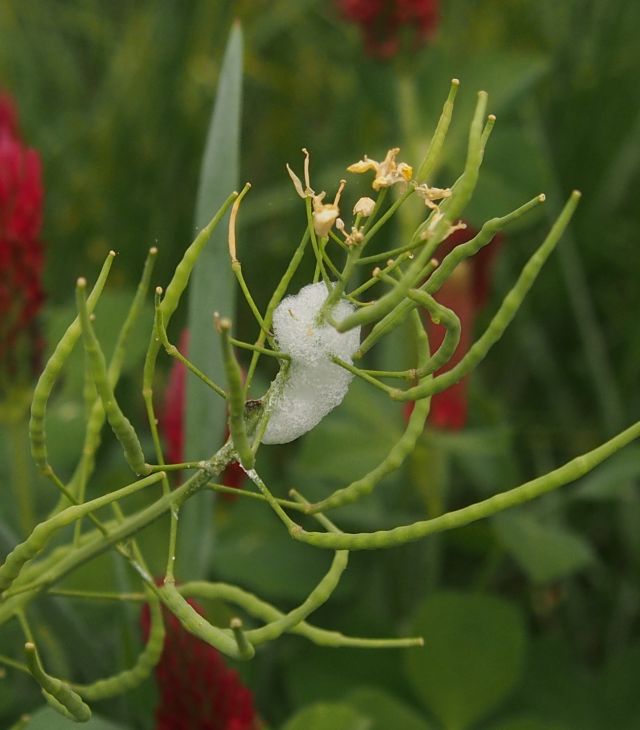
The spittlebug is also hard at work.

a spittlebug deposit on a turnip plant gone to seed

And I have my annual chore of cutting down the pine saplings and wild trees which compete with my orchard and vines on the hill side.

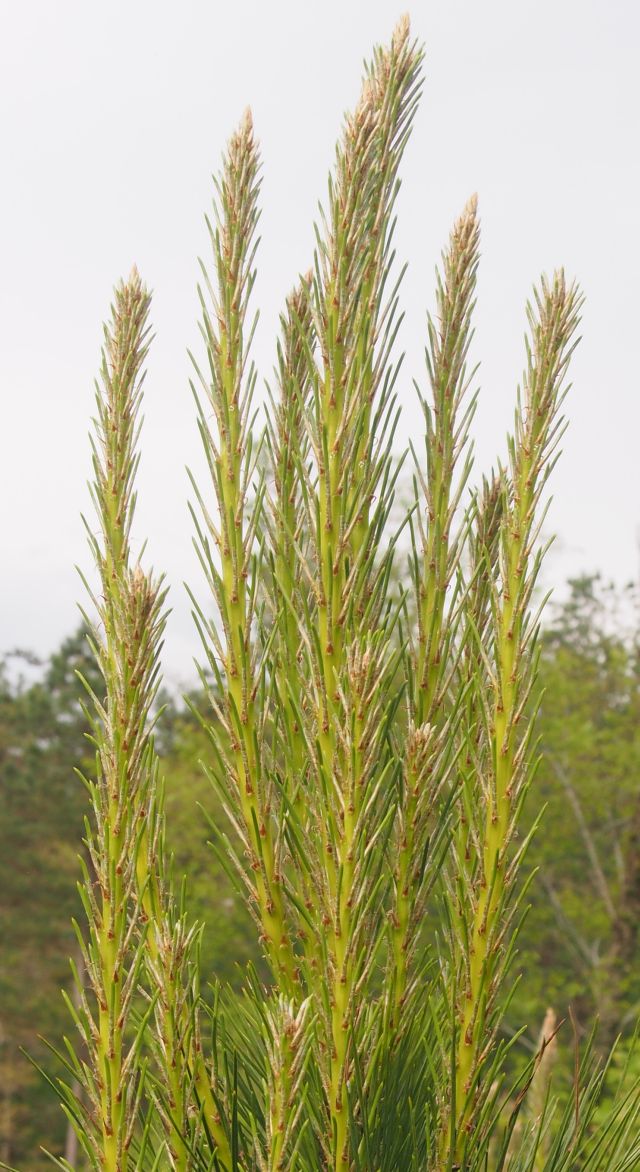
the small pines thrust for the sky but down they must come

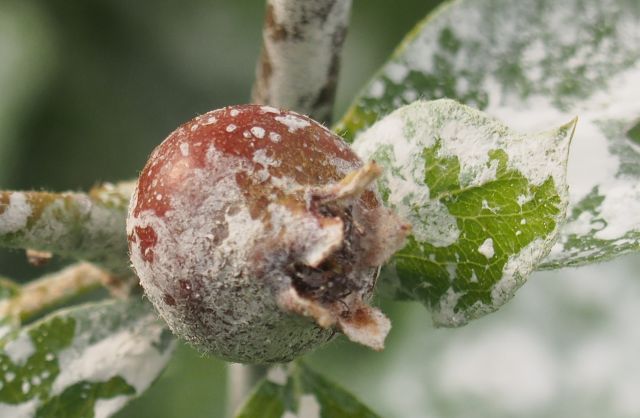
And I must continue spraying the pear and apple fruitlets with kaolin clay (Surround) a new measure I have adopted this year to counter the pests which tunnel into my apples.

several applications are necessary and the limbs, leaves and fruit turn white


crazy weather

Now, 2 days after Christmas, the bees are out scavenging.  M. says wouldn’t it be nice if they could find food.  I say bad idea – if they return with food to the hive, just as a dove returned to Noah’s ark, it will signify good times have returned and the queen will be stimulated to egg bearing.  And with no food outside, the new bees will consume the hive’s food supplies and threaten its survival.

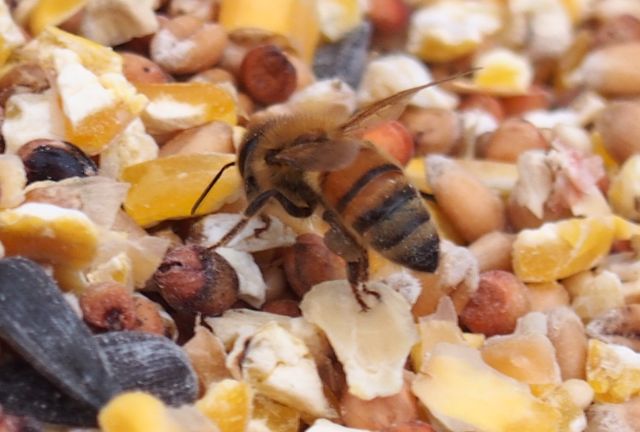
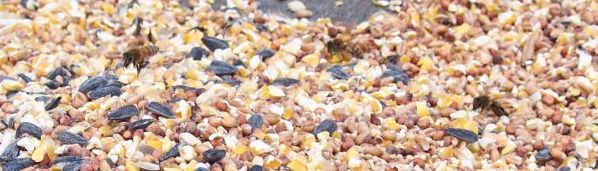
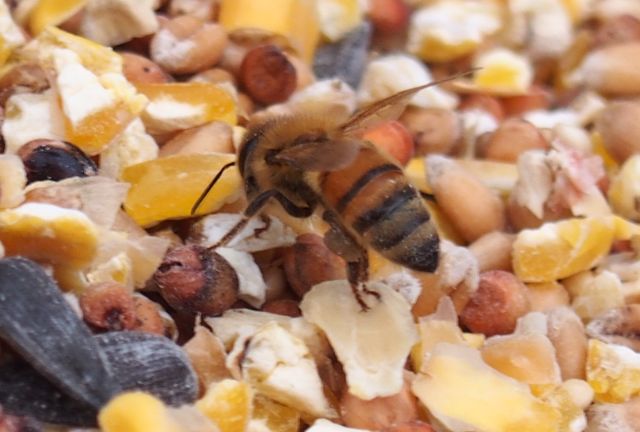
But the foraging bees have found food – the birdseed we provide for our winter dwellers (this morning – blue jay, house finch, chickadee, brown thrasher, tufted titmouse and a solitary woodpecker).

bees foraging birdseed

Perhaps the moisture has produced some fermentation breaking down the starch to release some sugar. A close up

there's something about birdseed
there’s something about birdseed

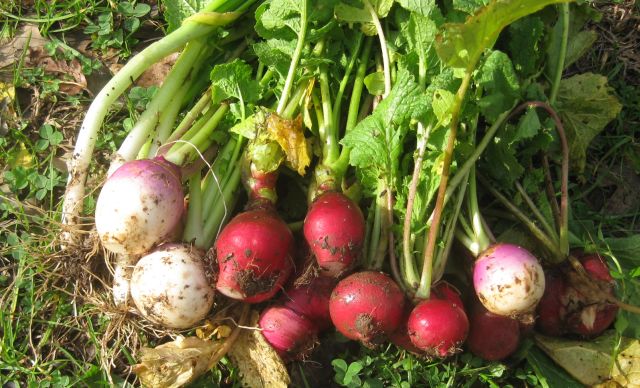
And with the moisture and warmth more fungi.  The uncovered raised beds keep pumping out greens (collard, kale, mustard, chard, turnip greens) and root crops as well.

additions to the salad - turnips, radishes and scallions
additions to the salad – turnips, radishes and scallions

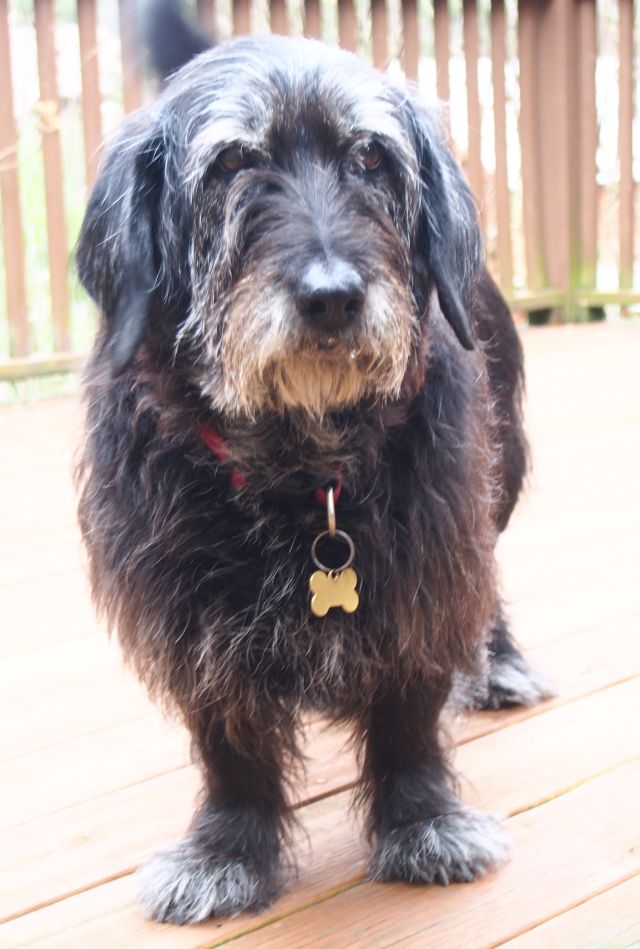
After several days rain the sun has appeared, the birds are sounding and Trudy (yes we all age) waits patiently.

time for a walk
time for a walk


feral cat – mauled chicken – and solutions

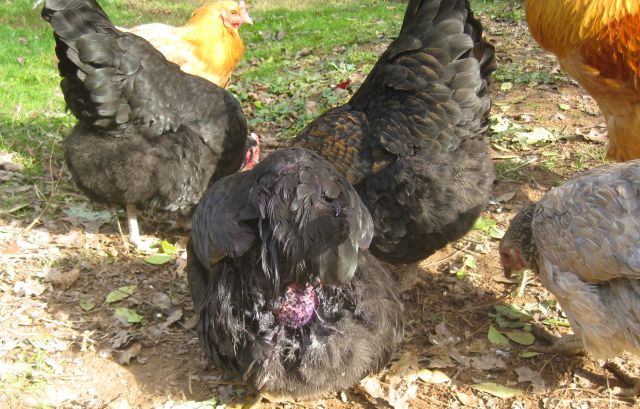
I may not have mentioned that about 5 weeks ago a hen was taken by a predator, which reduced their number to 10 (1 rooster and 9 hens).   Each morning a timer opens the coop door when the sun is well up and the chickens emerge to a 5ft high wire enclosed paddock.  Except for 2 chickens – Randa and Wanda (from wanderer) who would fly over the fence to the greener grass the other side.  Well 5 weeks ago Wanda was not to be seen except for a scattering of her feathers.  The chickens at the time seemed agitated and I set the timer to open later each morning and for a while Randa stayed in the paddock with the others where they are well protected by the ever vigilant  rooster, Buff of the 2″ spurs.  Last Friday at lockup time I noticed that Randa and another hen, Bonnie (offspring of Buff and New Jersey Giant) were outside the paddock.

When we returned Saturday pm we immediately knew there was a problem.  A pile of black feathers just outside the paddock area and 7 scared hens gathered in the furthest corner of the paddock where they rarely went.  The rooster seemed fine but Randa and Bonnie were missing.  The rest of the afternoon we searched for them.  Unexpectedly Bonnie appeared with her tail feathers gone and, as the sun was sinking, we spotted Randa deep in the bush.  So we had them back, now for a damage assessment.

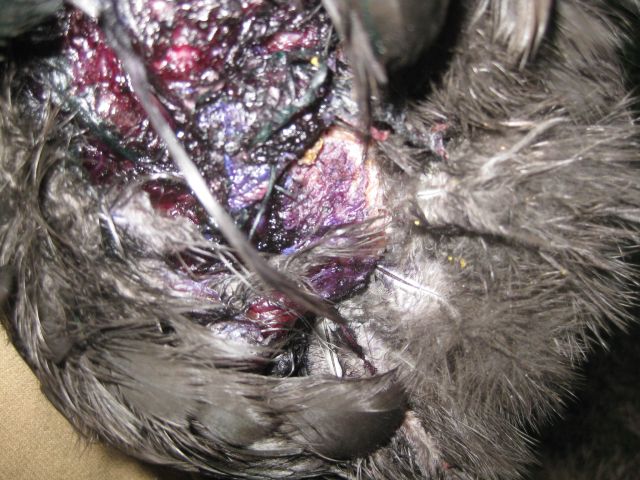
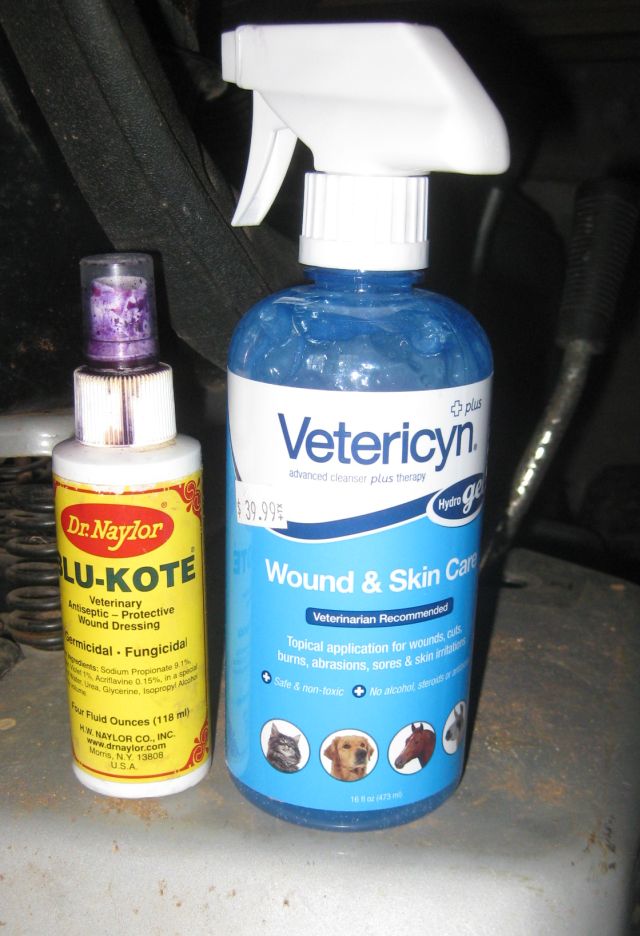
And it wasn’t pretty – not only were Bonnie’s tail feathers missing but her hind quarters were badly mauled with blood, scabs of loose skin and globules of fatty flesh attached loosely to her rear.  I was too concerned with treatment to take a picture at the time.  So Sat night we swabbed down her rear end with a dilute mixture of H2O2 and then sprayed heavily with Blu-Kote, which is an antiseptic with a blue dye which colors the bloody areas thereby avoiding pecking attraction from the other chickens.

a pic of Bonnie's blu-koted rear end on Sun night
a pic of Bonnie’s blu-koted rear end on Sun night

Sunday we visited the local Tractor Supply where I bought a live animal trap (32″x10″x12″ $40) and two 60 cent tins of cat food.  M. had done research and was very interested in purchasing Vetericyn for $35 but I suggested ($35 seemed a lot to me) it was probably no more effective than Blu-Kote.  I baited and set up the trap in the barn area and it was empty Monday morning.  More research by M. convinced her we really needed Vetericyn and the winning argument which turned me, is that altho it is sprayed on it is a gel and so persists to keep the wound area protected from infection.  Vetericyn was available at a closer, more expensive farm store for $40 (a $5 cost for arguing when I shouldn’t) and Mon evening we applied Vetericyn liberally.

the two medications we used

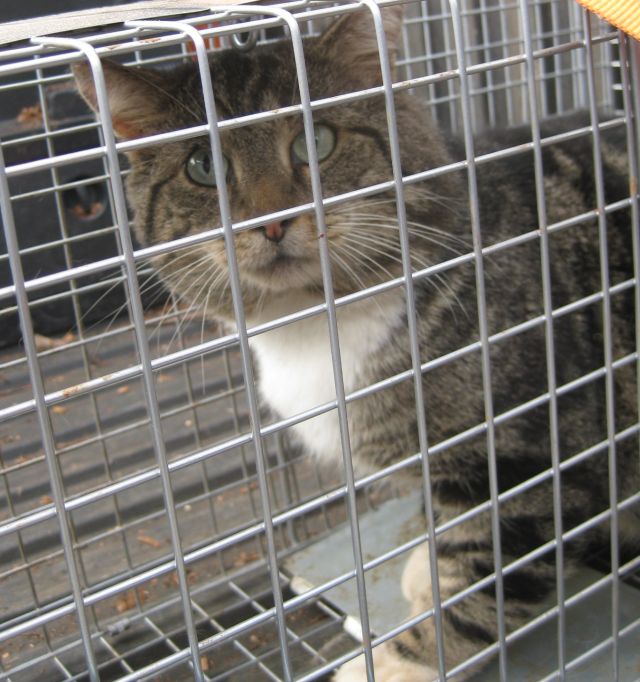
Tuesday morning the trap, which had been relocated to the greenhouse was empty – a feral cat uses the greenhouse in cold weather but the weather has not been very cold.   Tuesday night I located the trap in the carport where my security camera has shown a cat walking in the early morning hours.  And when I arrived at 9am the cat was in the trap.

feral cat in cage
feral cat in cage

It may look cute in the cage but it is fearsome.  Not once did it meeow but instead shook the cage back and forth as it tried to claw its way out.  It is larger than it looks and is in good condition and strongly built.  No wonder we have had no rodents or squirrels near the bird feeder this past year.  I previously blogged that the disappearance of rodents in the  chicken coop was due to two  >5ft long snakes which cleared them out.

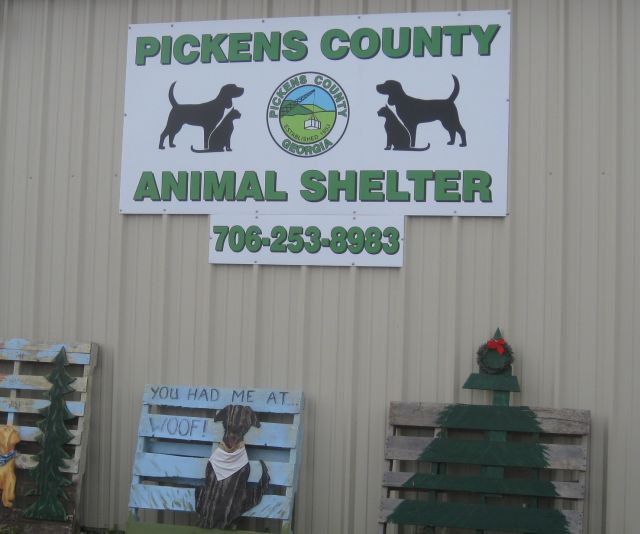
Now what to do with the cat.  A store attendant said she shot cats with a .22 long gun (I call it a rifle) which was easier than trapping and taking them to a shelter where they would be euthanized.  My neighbor this morning said he had relocated a stray dog more than 2 miles from his house and the next day it was back and he suggested I take the cat to the local shelter.  The animal shelter receptionist said I could relocate the cat or give it to a chicken farm.  I thought she was kidding – what will the chicken farm do with it?  I asked and she said they keep cats to get rid of rodents.  She also offered that I could bring it in and, for a cost of $25, they would neuter it and cut off the tip of one of its ears and give it to a chicken farm.  The clipping of an ear signifies it has been neutered.

the local animal shelter

So off to the animal shelter where I paid $25 and was directed to a local vet where they said they would perform the procedure later in the day.  They said I should call back for the cage – apparently they anesthetize the cat by injecting it while it is in the cage, which answered a riddle for me – how do you safely get a feral cat out of a cage?

And how is Bonnie doing?  Despite pretty severe wounds  she seems to be doing ok.  Walking normally and eating as usual and no sign of a rampaging infection.  We are hopeful.

Bonnie with rear end to the camera, her Mom to the left, sister to the right

postcript – I have been asked how do I know I caught the culprit since I never saw the predator which attacked the chickens.  Several factors persuade me – there used to be several feral visitors, a large tawny cat and even a young cat which I once fed (big mistake).  Past 6 weeks they have not been around.  I think the cat in the trap moved into the area and cleared them out (or ate them).  The only cat captured on my surveillance cameras the past week was the one in the trap.  And finally, it was big enough and strong enough to catch and eat a chicken.  Hopefully no more predations.

.

stuck waiting

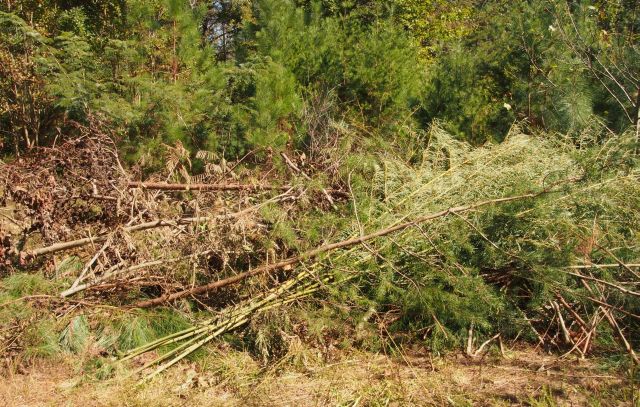
I am in a holding pattern and were it not for the glorious weather I would be frustrated.  From my jungle clearing work and regular pruning and also clearing growth around the chicken paddocks (to better spot and dissuade predators) I have amassed a lot of chipping material.

an example of what awaits the chipper - poplar, pine, bamboo etc.
an example of what awaits the chipper – poplar, pine, bamboo etc.

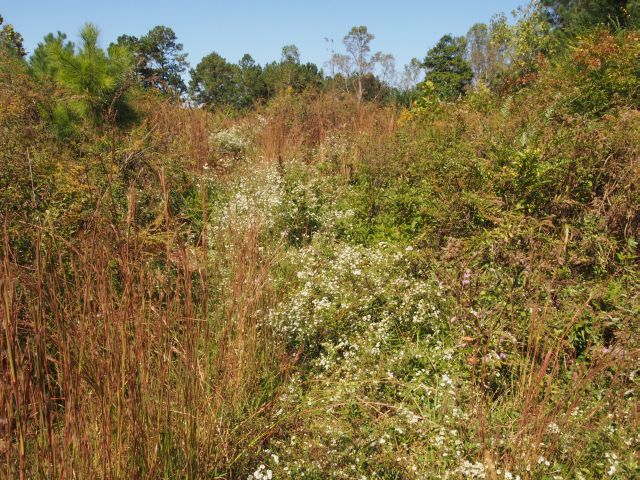
The bush hog is mounted to the tractor and I would like to complete all the bushhogging for the season before I replace it with the chipper.  I only bushhog a couple times during the year and growth rather than kempt characterize the non growing areas.  And now these areas are populated with daisy fleabane.

where the white daisy bestrides it our walking trail
where the white daisy bestrides is our walking trail

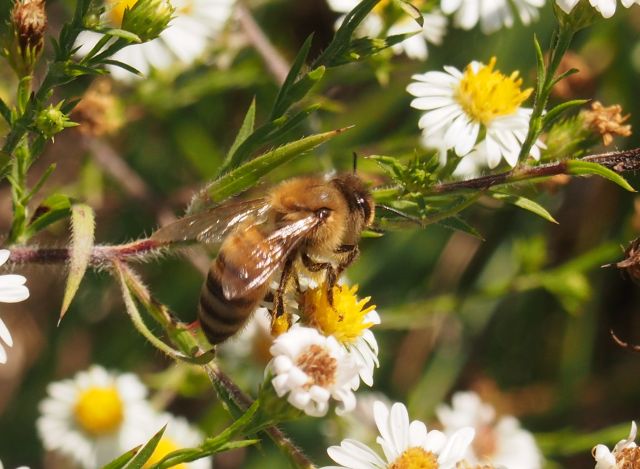
So what, you may say, but approach closer.

OLYMPUS DIGITAL CAMERA

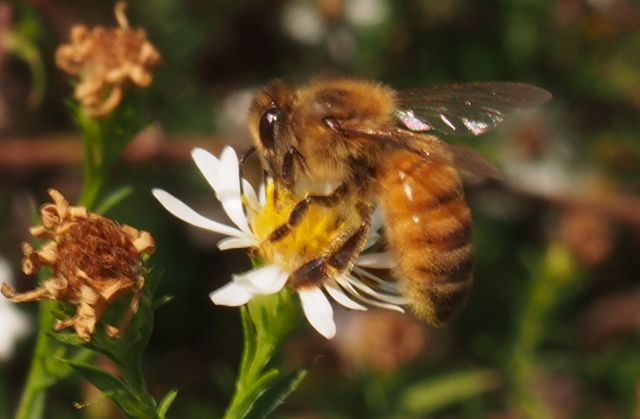
And you will see my busy workers.

this is their last hurrah - the goldenrod festivities ended a few weeks ago
this is their last hurrah – the goldenrod festivities ended a few weeks ago and this is their last nutrition source before they hunker down for winter

So I will wait a few more weeks and then switch the implements.  Not such a big deal to changeover though it takes some practice to do it quickly.  I only use my tractor a few times each year, so I will check the tires, oil and grease the bearings etc. before I commence my fall operations.  It’s a large (60hp), old (late 80’s) Case 585 tractor which has been very reliable.

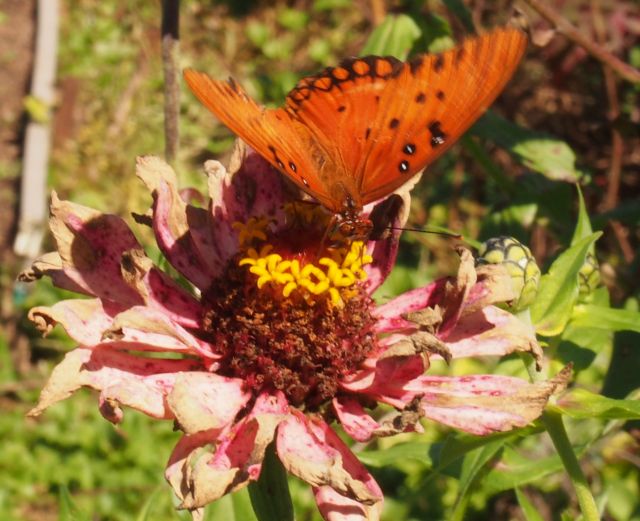
So I continue to admire the goings on.

cosmos butterfly time soon will be over

And will collect the flower seed and disperse in new areas.

OLYMPUS DIGITAL CAMERA

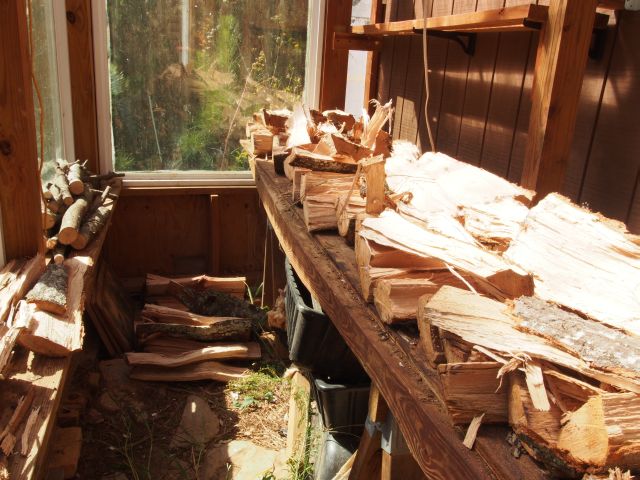
And I transport daily the oak logs from Atlanta (see previous post) and split with my maul, and then I store the firewood in my lean to greenhouse.

late winter and early spring, the greenhouse nurtures my vegetable seedlings, good to dual purpose it for drying firewood

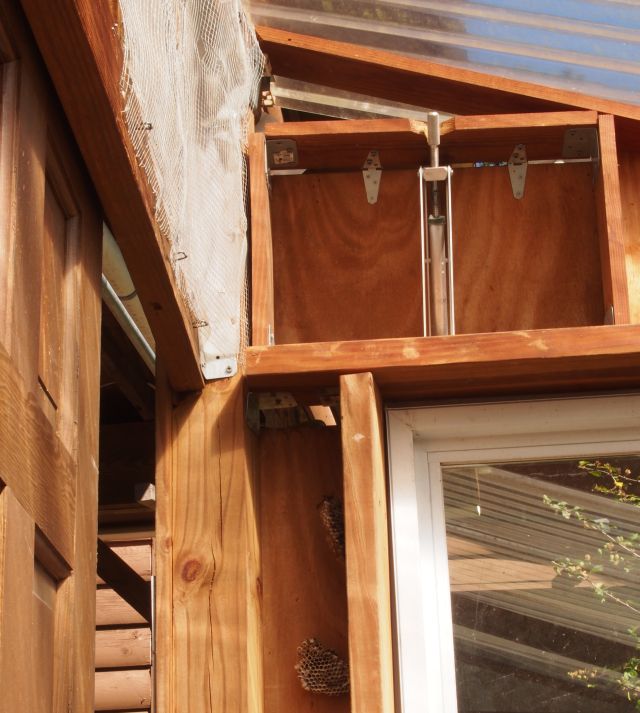
The oak logs have a moisture content of +/- 29% at their ends and >35% in their split middle.  I am hoping to reduce this considerably in my greenhouse/solar kiln.  But to achieve this I have to close the openings.  The temperature controlled vent closes itself and the door I close, but towards the top I stapled plastic and feral cats (of which there are several) each winter make the greenhouse their home and they effortlessly slit the plastic for their entrance.  I decided to tack mesh to the plastic.  As I raised the hammer to attach the staples I noticed several wasps at the far end of the greenhouse.  I like wasps (as opposed to hornets and yellow jackets) – they are generally very docile and only sting if you inadvertently put your hand on them, or mess with their nests.  I withheld the first hammer blow and decided to look around.  And there, close to where I was going to hammer in the staples, were 2 nests.  I was sorry to see them, since for me it meant spraying and killing them.  This done I secured the mesh and expect I will have to secure more as the cats devise different ways for entering the greenhouse.

you can see the temp controlled flap at top, the mesh covering the plastic at top left, and just below in the middle, 2 wasp nests
you can see the temperature controlled flap at top, the mesh covering the plastic at top left, and just below in the middle, 2 wasp nests

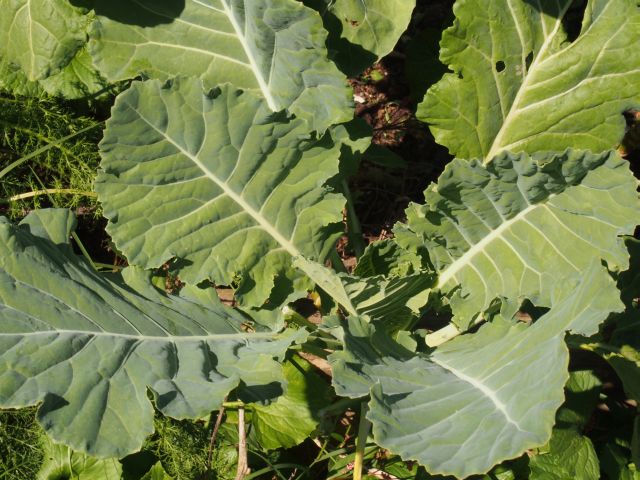
I previously mentioned the luscious growth of green leaf veggies.  Here is a collard – large and pest free.

collard grow well this time of year

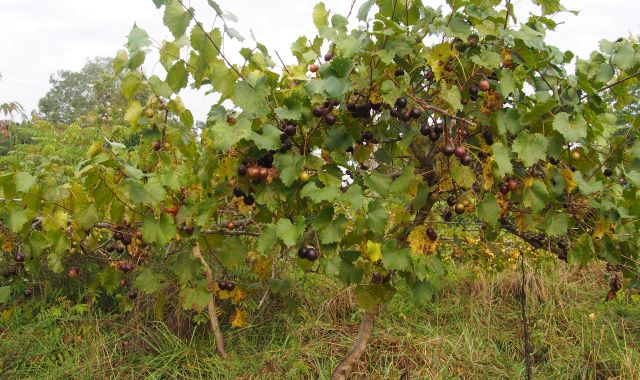
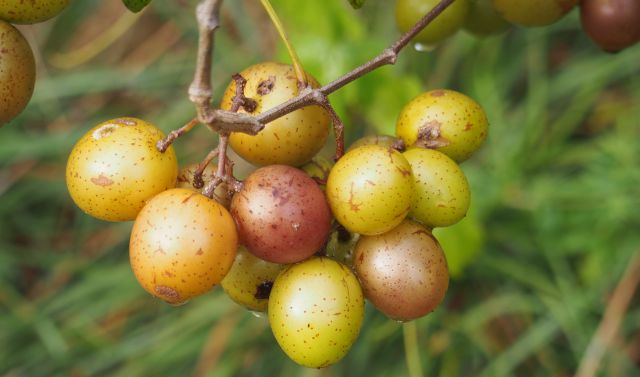
And lest I forget – the muscadine are still ripening and sweetening.

OLYMPUS DIGITAL CAMERA

mushroom, brier & oak

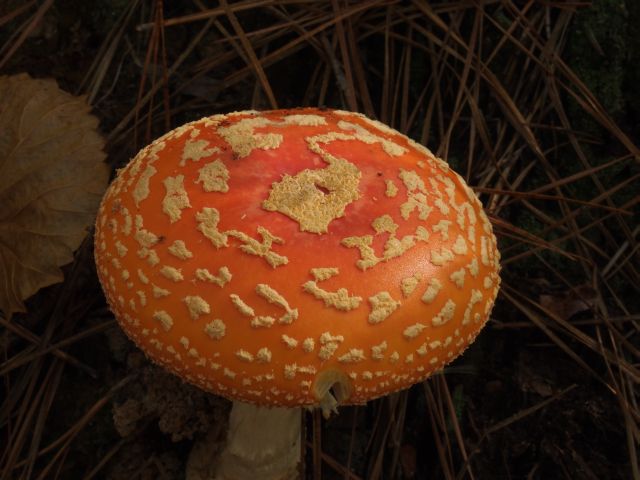
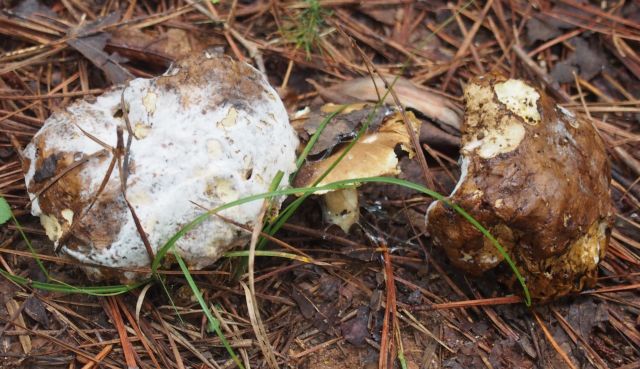
As anticipated, the recent heavy rains kickstarted fungi activity in the woods.  Lots and lots of different mushrooms.

this type proliferates near the tractor building

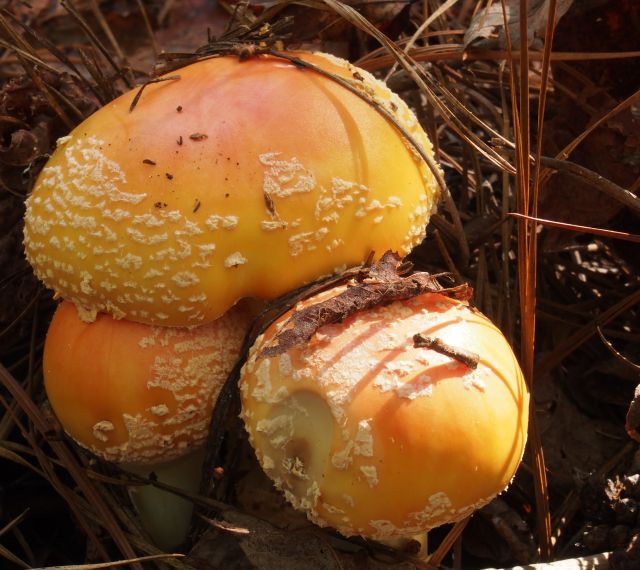
The one above is for me the most attractive.  Here is a grouping of various ages.

a threesome
a threesome

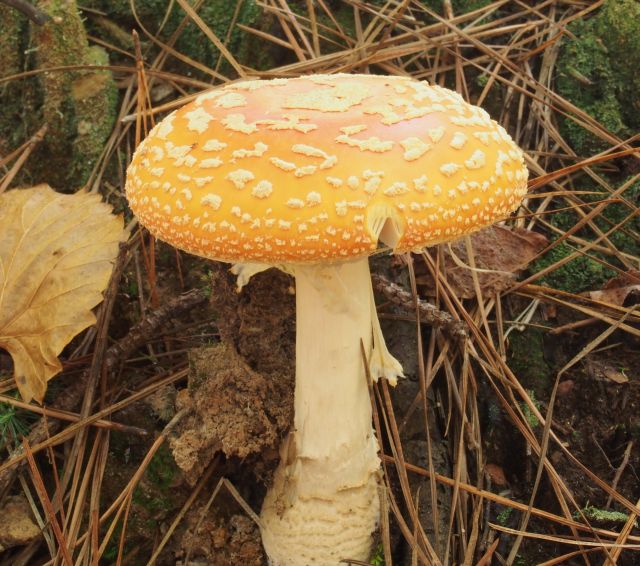
And yet another pic.

OLYMPUS DIGITAL CAMERA

Brier

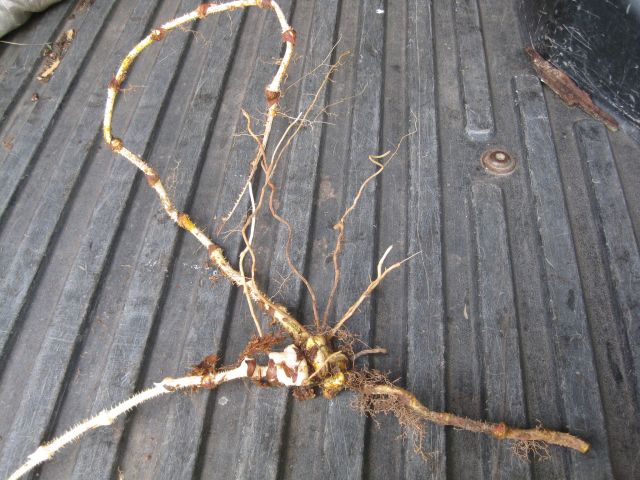
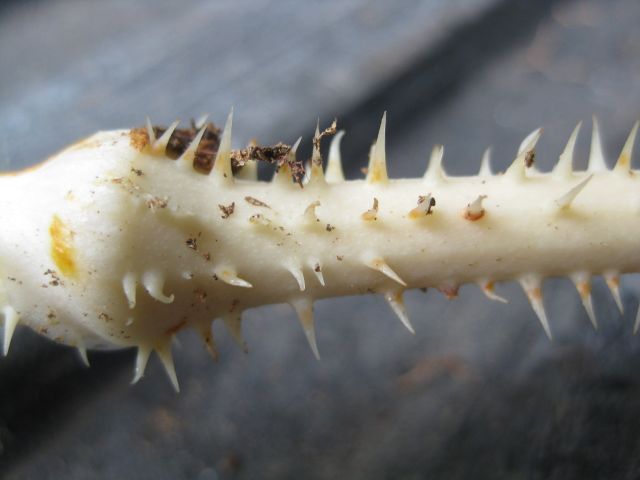
I last cleared the area between the house and the road in October 2012 and worked hard to remove the bramble and brier.  Three years was too long to wait and again my oak saplings were submerged below pines, poplars and snared with brambles.  And again I met brier.  Above the ground they look ordinary – thorny stem and leaves, but below the surface they resemble a horror film monster.

all of this was below the surface - the upper half resembles a scorpion's tail
all of this was below the surface – the upper half resembles a scorpion’s tail

And close up they look like the jagged snout of a swordfish.

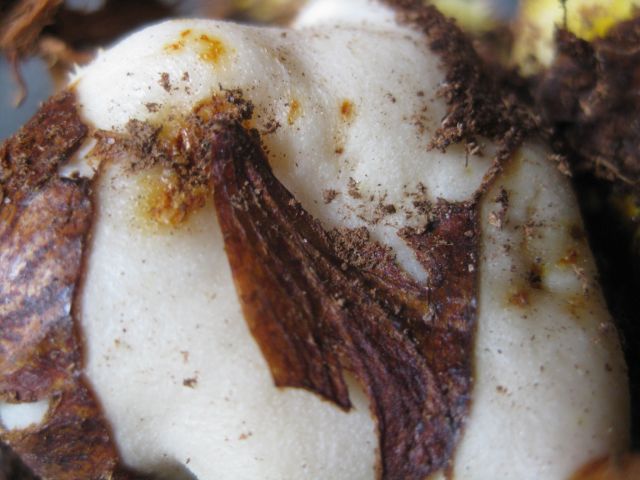
briarbAnd below is the production center, or so I think, with bulging sacs of new monsters waiting to emerge.

I think it is the ghostly white untouched by sun, which gives menace
I think it is the ghostly white, untouched by sun, which gives menace

Oak

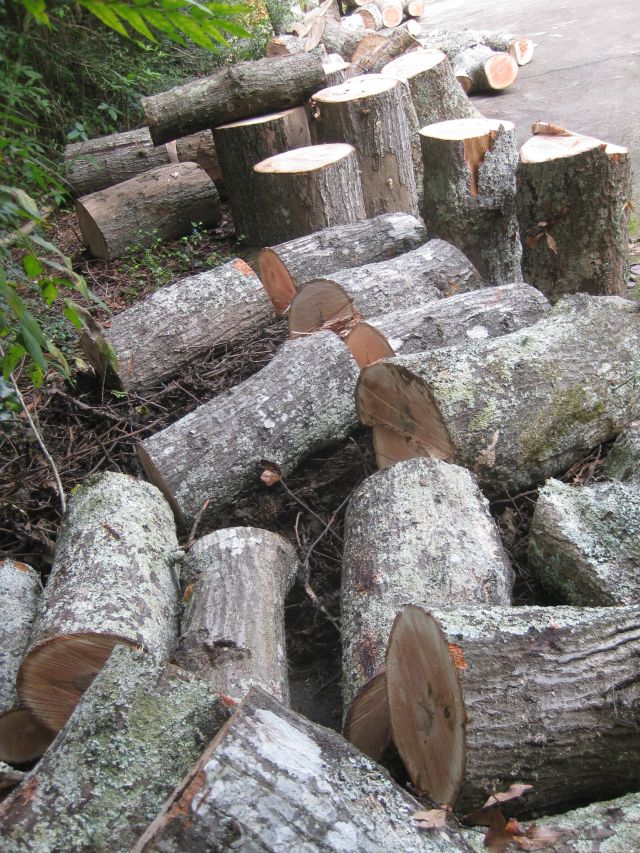
A neighbor in our Atlanta subdivision decided to have a tree removed.  I saw the trucks and heard the revving chainsaw and wandered over.  What type is it I asked the supervisor?  “It’s dead” he said no doubt thinking I was questioning the act.  Then hearing me better 2nd time round he said it was an oak.  And he said I could take as much as I wanted.  So with my trolley I headed back and forth and collected a lot of logs.

firewood enough for several winters
firewood enough for several winters, which I will split with a maul and some filial assistance

They also unloaded a truck full of oak chips which I will distribute around the Atlanta yard and apply at the farm.  So, I suppose, a silver lining in every cloud.

growing update and unusual sights

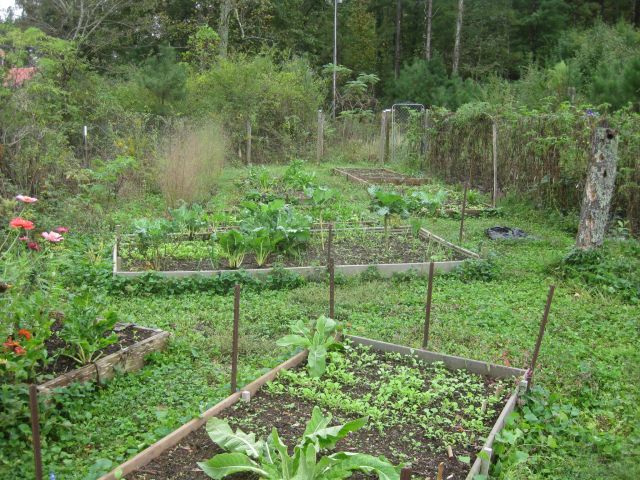
With shortened sun hours and fall in temperatures, my summer vegetables are yielding, as too are the pests which feasted on the chard, collards and greens.  So I have been clearing the raised beds, adding compost and cool season seeds such as kale, spinach (after 1 week germinating stint in the refrigerator), and turnip greens.  Also lettuce and radishes for harvesting before it gets too cold.  I had packets of several years old seed and not knowing which was viable but knowing that with each passing year they were becoming less so, I used them all to seed rows.  Now, a few weeks later I know which were too old and rather than thinning  the overcrowded rows I am transplanting from the overcrowded rows to the bare rows.

some of the newly composted and seeded raised beds

I left in place the pest shredded collard and chard and I have been rewarded by their luxuriant response to the plentiful rains, cooler temps and reduced pest pressure.

collard with large leaves and chard at the back, both now growing well

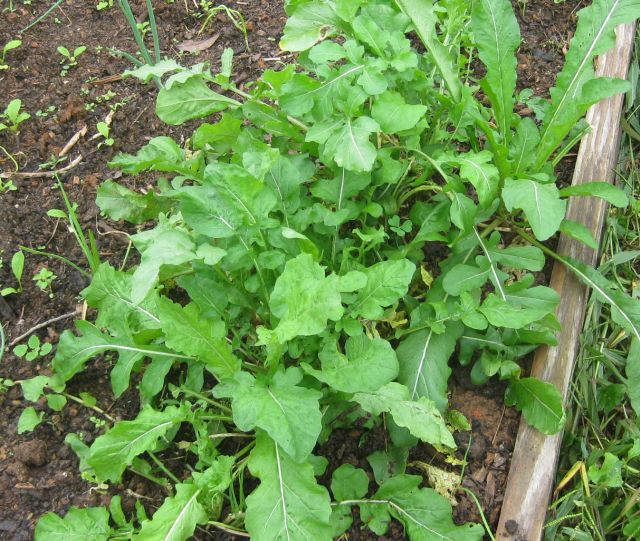
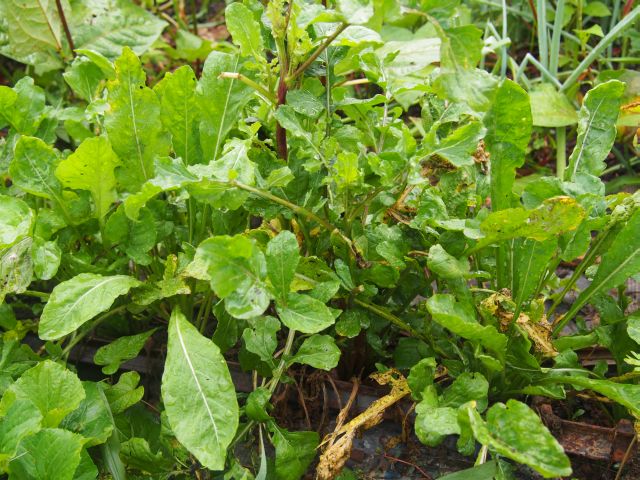
The arugula grows vigorously and is a welcome supplement both to fresh salads and sauteed with the collard, mustard and kale.

vigorous arugula
vigorous arugula

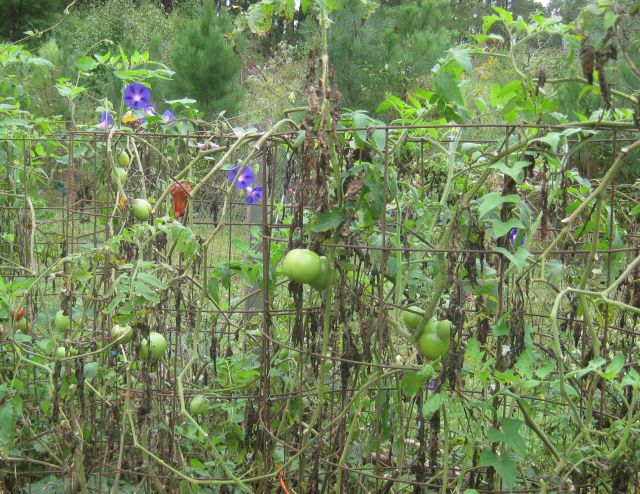
I have steadily removed the tomato cages and stored under cover.  A few remain with bearing tomatoes – perhaps they will ripen?  And I can wait since the area they occupy will, after composting, be used for planting out garlic and garlic can go into the ground later, while my cool season seeds had to go in earlier to germinate and benefit as much as possible from the dwindling sunlight.

a few tomatoes cages remain crested by morning glory

Apart from removing the summer vegetables I have not had much hassle with weeds.  I am more disciplined and weed during the summer and try cover the areas with vegetable growth to forestall the arrival of weeds.  So much less work and a better result than previous years.

In the orchard which was overcrowded with weeds, I have been at work clearing the growth and pruning the trees.  Last year I used wires to hold down and spread the branches and pruned the vertical apical growths.  I am pleased the branches have stayed horizontally in place after the removal of the wires though with some trees, especially the pears, there are a number of vertical growths I have to remove.  I am reusing the wires elsewhere and the best time to train the trees is when they are young and supple.  Here is a young apple tree whose vertical branches have been splayed horizontal with the recycled wires.

you may notice the wires holding down the branches

It’s all about observing what’s going on and attending timely.  Elsewhere in a wooded area I planted out oak saplings a few years ago and they have been outshaded by fast growing pines and tulip poplars and there too I have been busy with pruning saw (and also chainsaw) cutting down the less desirable trees and “releasing” the oak trees.

In the orchard area and at the top of the hill I have been weeding growing areas and seeding with winter rye and Austrian winter peas for cover crops.   And I have been seeding with clover around the bases of my blueberry plants.   So plenty of work but with the cool weather and occasional drizzles, an exhilarating time to be out doors.

Unusual sightings

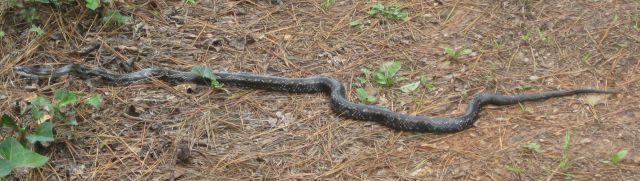
I mentioned previously that my rat and mouse problem (more rat than mouse) in the coop has been solved with the arrival of a large black snake.  I have not seen the black rat snake again but I am sure it patrols the area, perhaps in the night and certainly rat droppings have disappeared from the coop ledges and the feed bowls.  But I did spot another largish snake about 5 feet long, probably an eastern king snake and was able to snap it (below).

snake
a sight for sore eyes and a boon for vermin control

I really don’t understand those who wish to kill these non venomous snakes.  Apart from ridding mice and rats they also devour the venomous smaller snakes.  As long as they don’t take a liking to the chickens eggs they are most welcome.
We noticed an unusual sight.

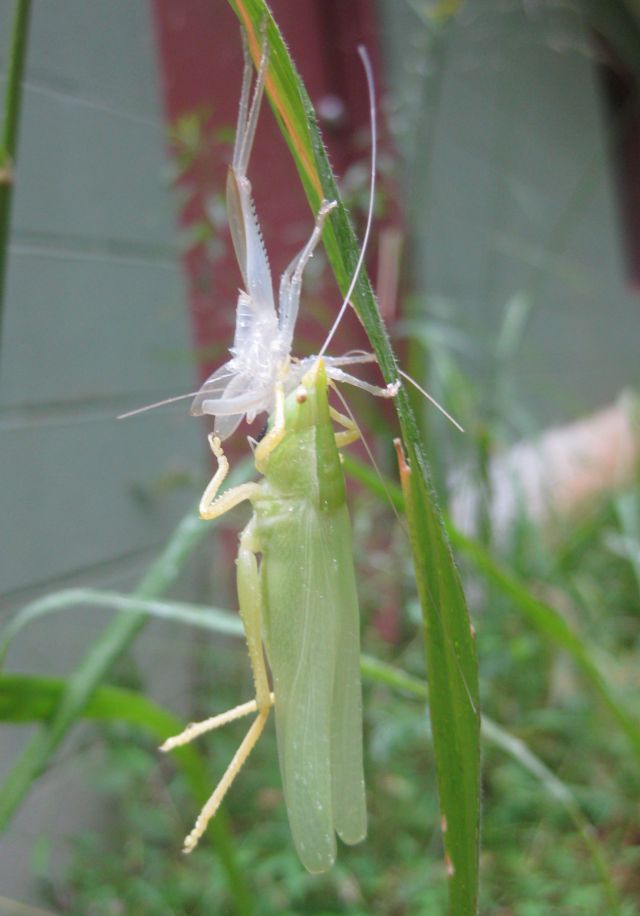
katydid and cricket
katydid and cricket

The white insect above was attached to the grass blade, the one below was suspended held by the one above, or so it seemed.  But why was the one above white?  Closer examination indicated that the predator was the green katydid and it presumably had sucked out the nutrients of the cricket (which looked skeletally white).  Interesting that the cricket was still attached to the grass blade.

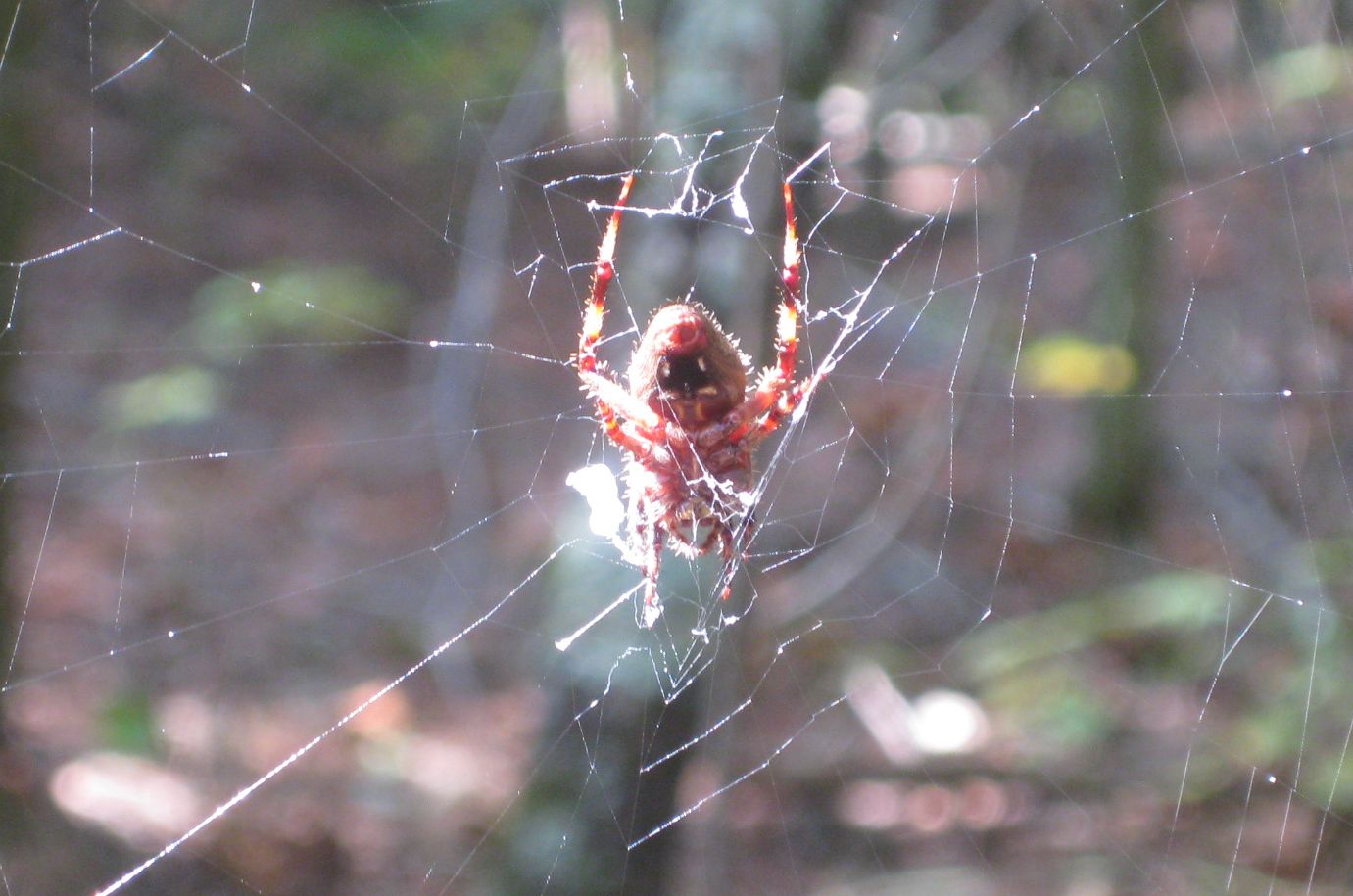
Spiders abound and have webs across my path in the woods, so I carry a stick before me to avoid being wrapped in their webs.  Here is one fellow I almost walked into.

one of many webs in the woods

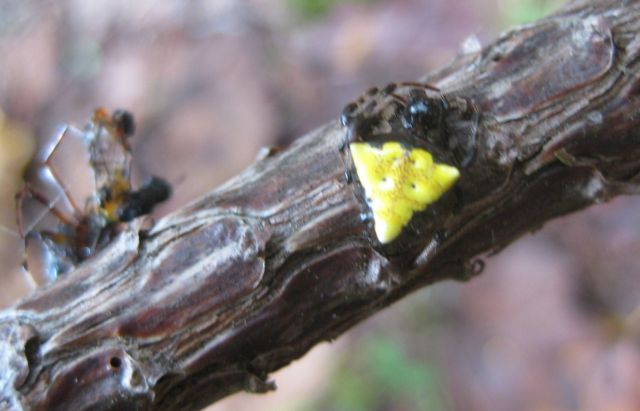
And here is a spider with I think, eggs on its back.

a triangle colored spider - are these eggs on its back?
a triangle colored spider – are those eggs on its back?

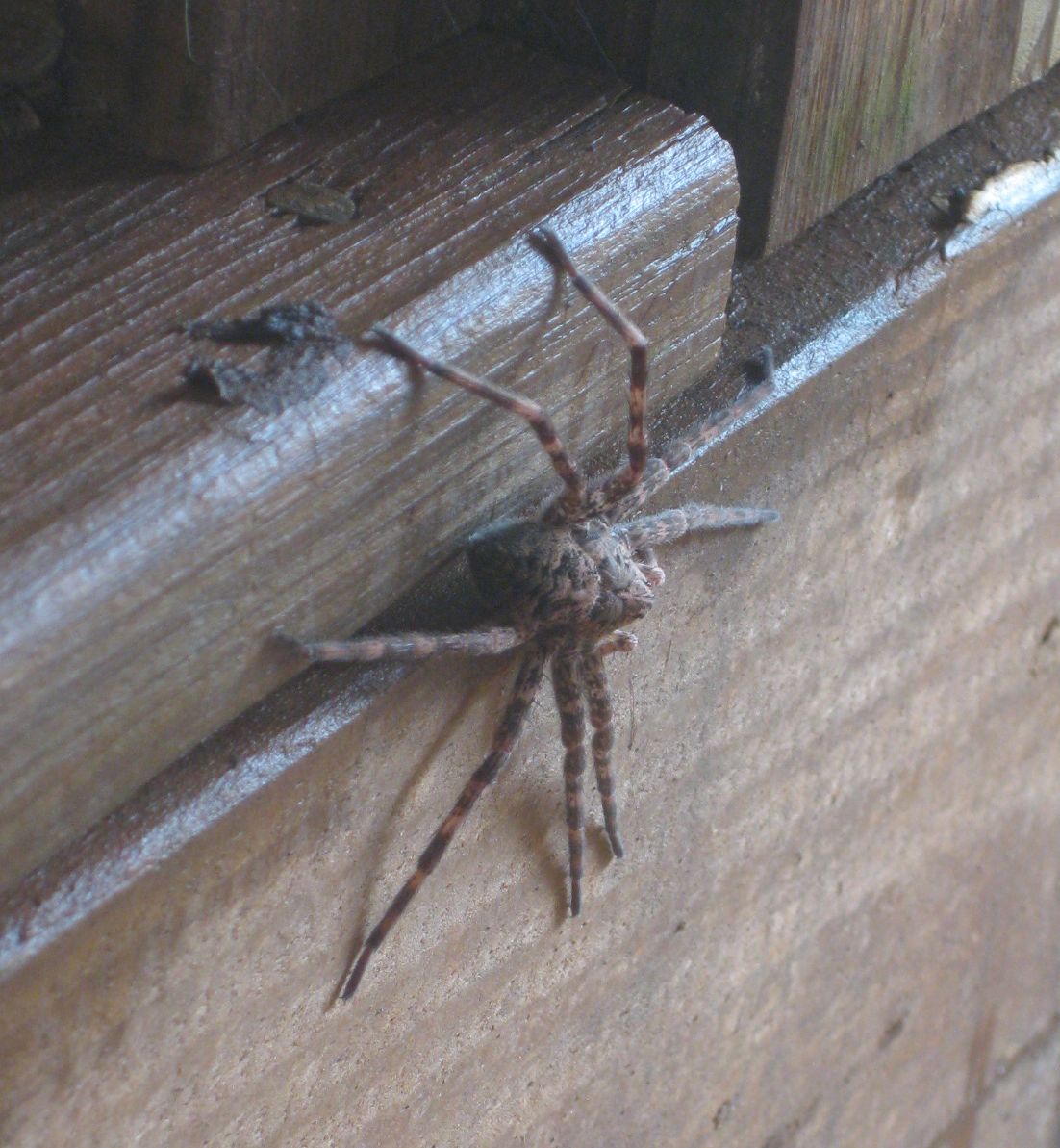
And here is quite a large fellow near the house.

its width from end of leg to end of leg is about 2 inches

The bees are hard at work on the goldenrod and, with all the rain the past week, mushrooms of different sizes, colors and shapes, are emerging.

whats growing

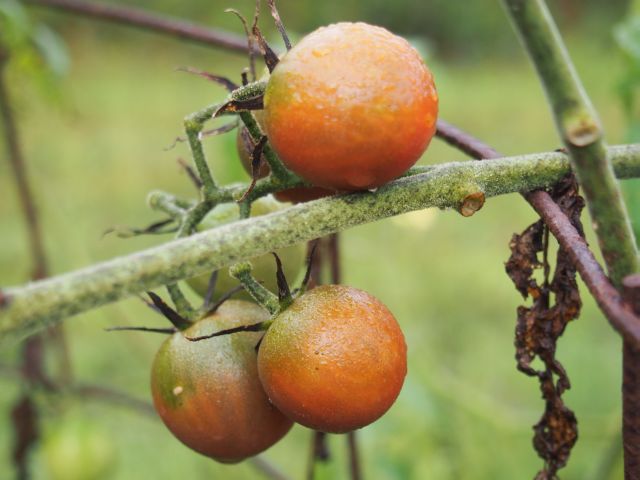
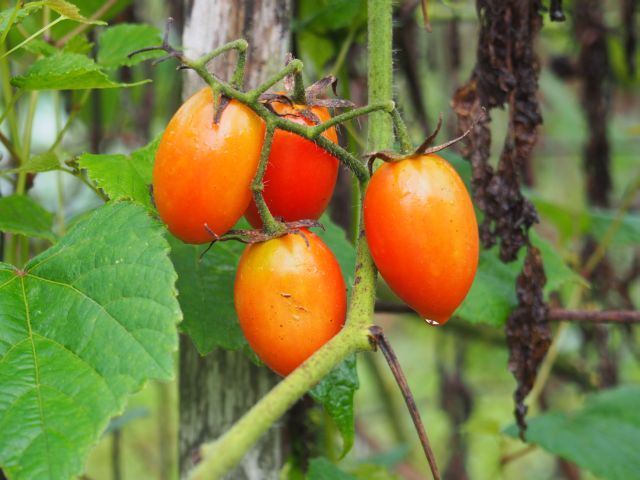
By September the large tomatoes have passed their prime, tho the small varieties – Juliet, Black Cherry (our favorite), Jelly Bean, Sweet Cherry – are still producing.

Black Cherry is an heirloom with an explosive authentic tomato taste

The Juliet is a hybrid and also grows well and tastes good.

a resilient producer

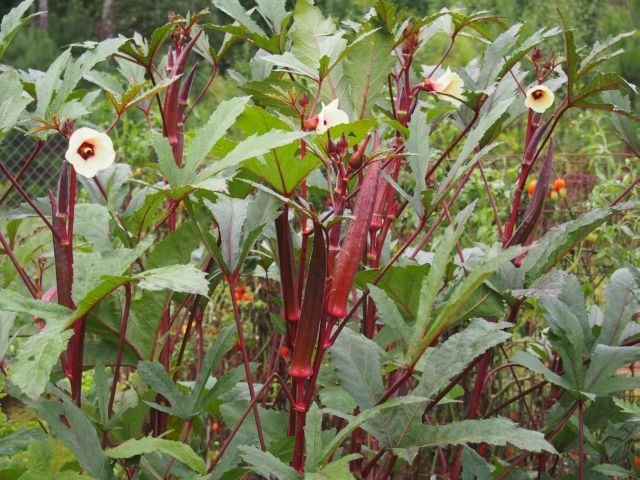
The burgundy okra is producing well – the smaller okra can be eaten raw off the plant, the oversized are tough and the covering is stringy even after grilling (we grill rather than fry) and the transition from small to oversized happens within a few days, so daily okra picking visits are necessary.

the okra flower is always striking

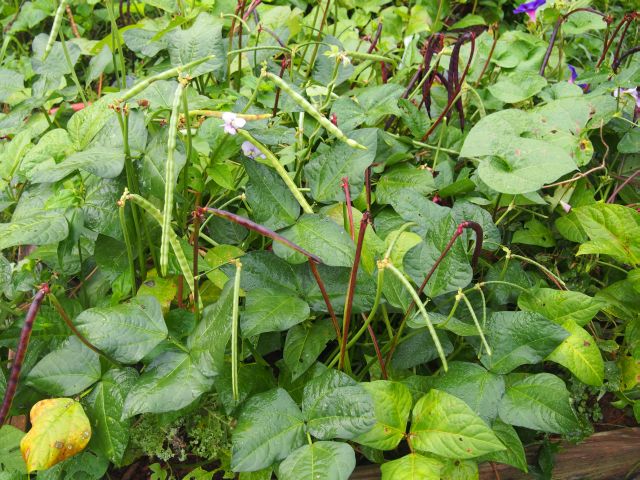
A big hit this season are the rattlesnake beans so called for their coloring which progresses in stripes from green to black and their distinctive rattle.  They seem immune to diseases and pests and grow prolifically.  If not picked tender they must be shelled, a task I quite enjoy.

each vertical stalk produces, 2, 3 or even 4 beans

With plentiful rains and cooler temps the arugula is thriving.

arugula growing confidently

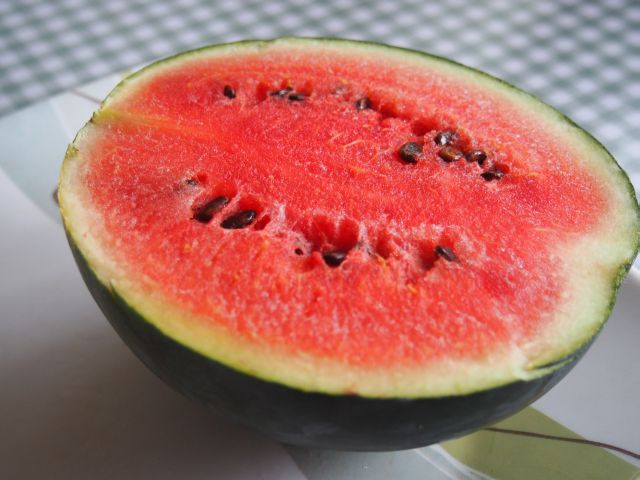
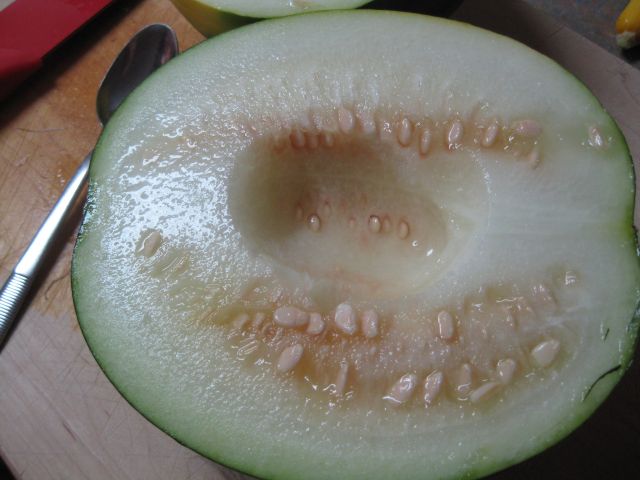
Basil and the other herbs – mint, organo, rosemary – are doing fine.  Another first for me this season is water melon and, now I have allowed it to ripen, it tastes great.

the melon is about 6" diameter and has lots of pits but is sweet
the melon is about 6″ diameter and has lots of pits but is sweet

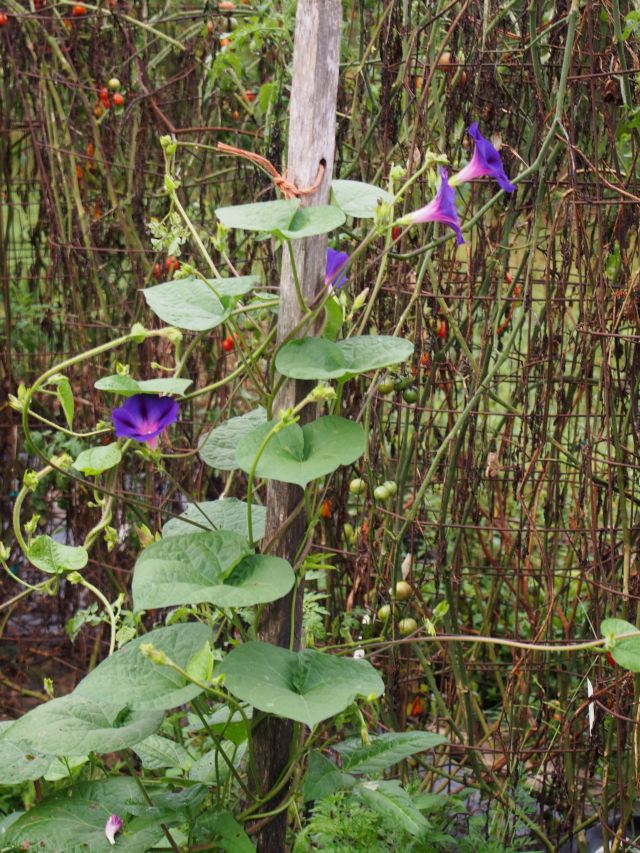
The Morning Glory vine is intertwining my fences, bean plants and trees.
an attractive weed
an attractive weed

I don’t mind the”weeds” and trim them back just enough to allow light to reach my shrubs and smaller trees.  Diversity is good and now in my hillside orchard you hear the bees working the weeds.
in the foreground is a small fig tree and behind the growth is my young jujube tree

And step closer and you see the bees hard at work.

stocking up for winter

I have several fig varieties and each year they die to the ground but since their roots are intact and larger each year, the above ground fig grows more rapidly and larger too.  I hope that when they reach a certain mass they will be able to withstand a winter with min temps of say 12 deg F.  The winter a few years ago when temps reached close to zero is what did them in.

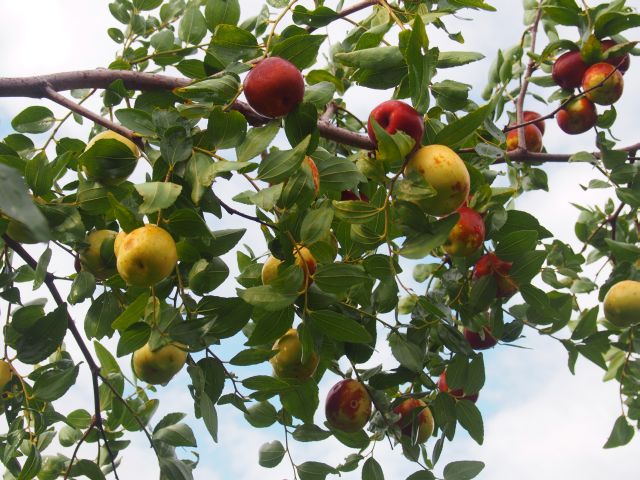
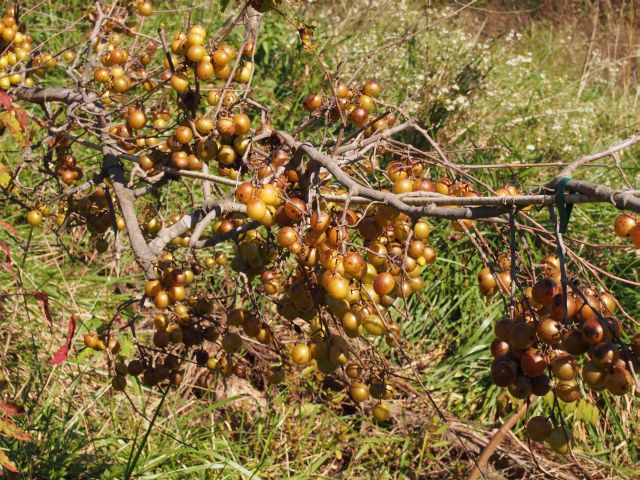
The jujube tree is producing more fruit each year.

OLYMPUS DIGITAL CAMERA
tho they look largish in the pic, the largest is 1.5″

Jujube ripens in September and is fragrant and sweetish when the yellow green skin has turned completely brown.  I am pleased to see several small jujube trees close to the parent.  Whether from root or seed I will only know when I transplant them in October.  But a bonanza since the jujube seems immune from disease and pests but not appreciative birds.

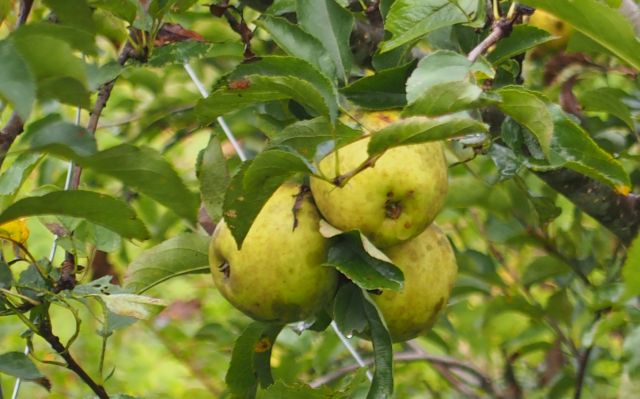
September is also ripen time for my Gold Rush apple tree.  The apples are pleasant to eat altho only 30% to 40% is available due to pest presence.  With my chickens graduated this year to yard range from paddock range and turning compost assiduously, I will next move them to the orchard to deal with the overwintering pests.

the Gold Rush apple so named because of the yellow gold coloring or the rush of flavor when you bite in

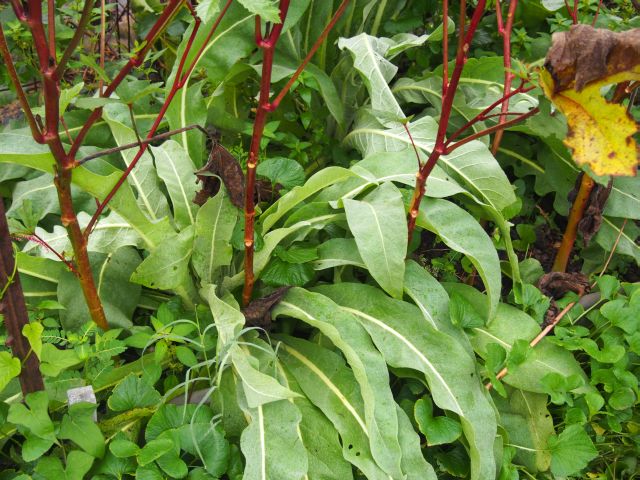
Comfrey is luxuriating in the cooler weather after a tough summer.

I like comfrey and compost its leaves at the end of the season

In the woods the rains have produced many different mushrooms which are devoured quickly by wildlife or overtaken by secondary growths.

a disintegrating mushroom

And my dog Trudy who was afflicted and unable to walk a few posts ago, is now back to normal, on patrol among the vegetable beds and locating scents on the walks in the woods.

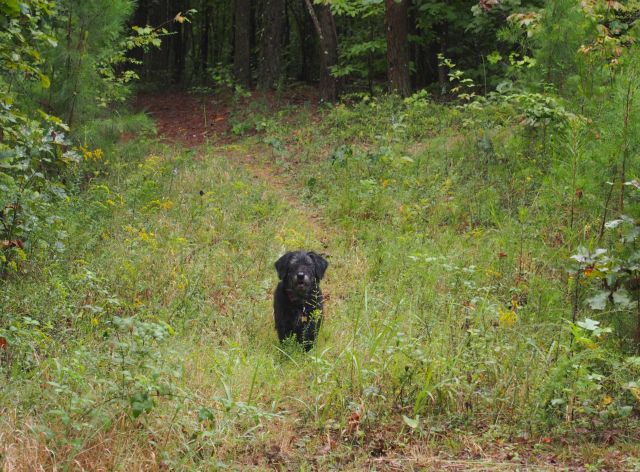
I thought her hearing was worsening but I believe it to be selective and occasionally she responds as here
I thought her hearing was worsening but I believe it to be selective and occasionally she responds, as here

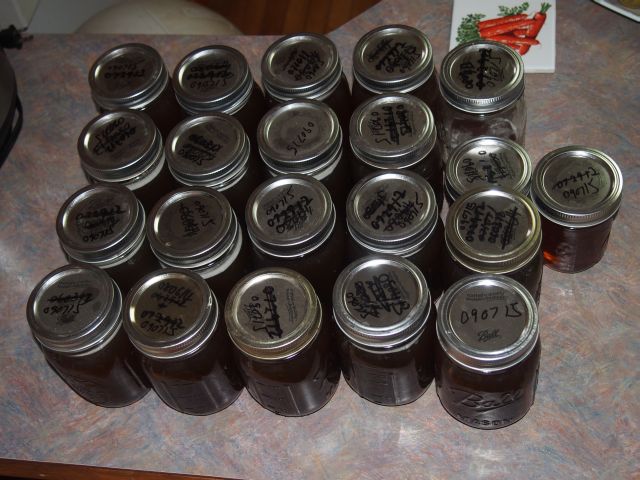
Yesterday was honey harvest day.  I have 2 hives – the one somnolent where almost all the occupants gather at the entrance to while away the day.  It had no honey for the taking.  The second hive is more vigorous and has swarmed several times, that I have seen.  September is a bit late for harvesting so I left a lot of honey behind but still gathered about 2.5 gallons.

18 pts, 2 half pints and a partially filled jar

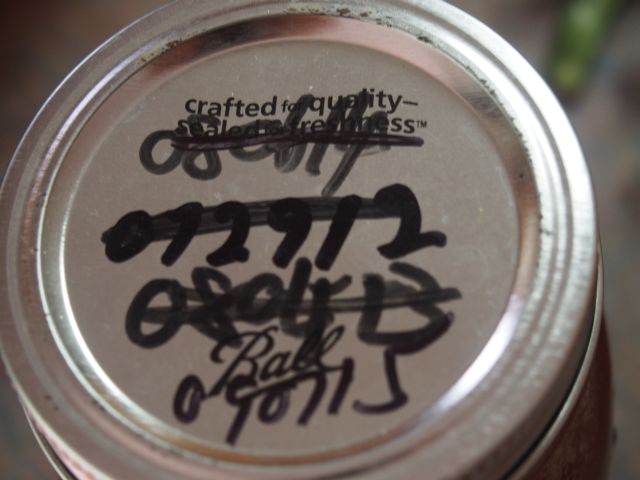
Since I record the date of harvesting I can keep track of prior year dates.

OLYMPUS DIGITAL CAMERA
this cap sealed honey collected 7/29/12, 8/4/13, 8/6/14 and y’day 9/7/15

I almost forgot to mention the muscadine which has ripened just the past few days.

OLYMPUS DIGITAL CAMERA
the black muscadine must be non reflective black and soft to touch, and then you have delectable sweetness
the scuppernong graduates from green to yellow to gold to bronze, and then it is ready

And the chickens, the rooster and his 10 hens, are doing fine.  3 to 5 eggs daily and occasionally I uncover a cache of secreted eggs from several hens – probably couldn’t be bothered to make the trip back to the coop when they forage more widely across the yard.

ps – I was wondering where the rats and mice which frequent the coop had gone to and thought maybe a seasonal thing, or late summer vacation.  And then this afternoon after refilling the 5 gal water container in the coop, I saw on the outside of the coop,  heading for the entrance, a gorgeous black at least 5 ft long, rat snake.  Disturbed, it reversed direction and headed away but I hope it will return and do its duty, as long as that does not include polishing off the eggs.


2 good books, water sustainability, okra & butterfly season

I never used to read science fiction.  But technology and sustainability hold my attention and I read good futuristic books on these topics.  “Ghost Fleet” a technothriller on the next world war portends problems with technology and is well researched with extensive footnotes.  Now I have completed my interactive Python programming course with Rice University via Coursera, I have begun my next read, the Water Knife about a water starved west beset with dust clouds and violence.  Both are excellent reads.

Which brings me to water sustainability.  I store about 6k gallons rainwater and I restrict my growing activities to get by on rain and harvested rainwater.  This would not be possible in California (we make our annual visit to San Francisco in a few weeks) where Summer rainfall is minimal.  But here in north Georgia it is possible, with some luck.  My stored water is sufficient for about 3 weeks and then I need rain.  And so far the rains have arrived timely.  I hand water with a 3/4″ hose – takes time but for me is the most efficient method.  My water is gravity fed and though it goes thro a gauze filter before entering the tanks it grows algae and would not work with drip feed unless I installed filters and increased the water pressure, which I am not prepared to do.  When water runs low I have to choose where to best use it and so some will thrive while others have to endure.  And it is enjoyable to see what is growing, how the pests are doing, and admire the butterflies.

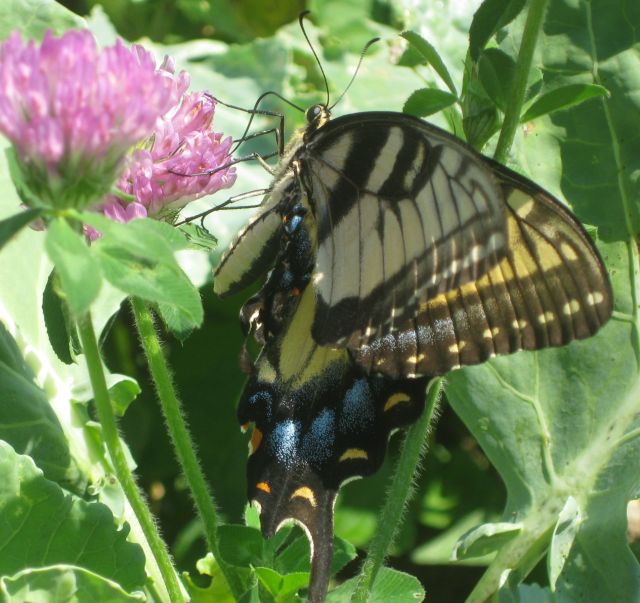
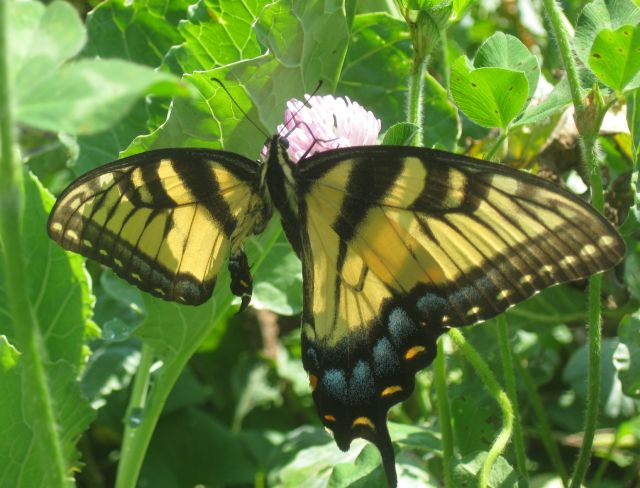
look good but not so their offspring
looks good but not so the offspring

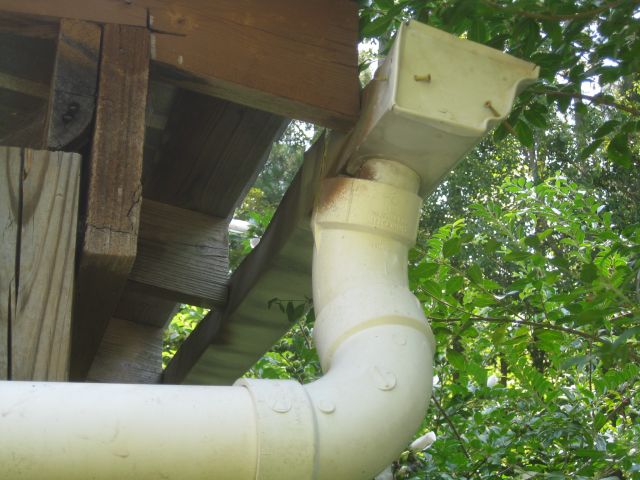
But things go wrong with the collection system and I have to watch that everything is connected and blockages removed.  An endcap I had  fitted to a gutter installed on a shed kept coming loose.  So, effective but not attractive, I used a couple screws to hold it in place.

note the 2 screws in the endcap

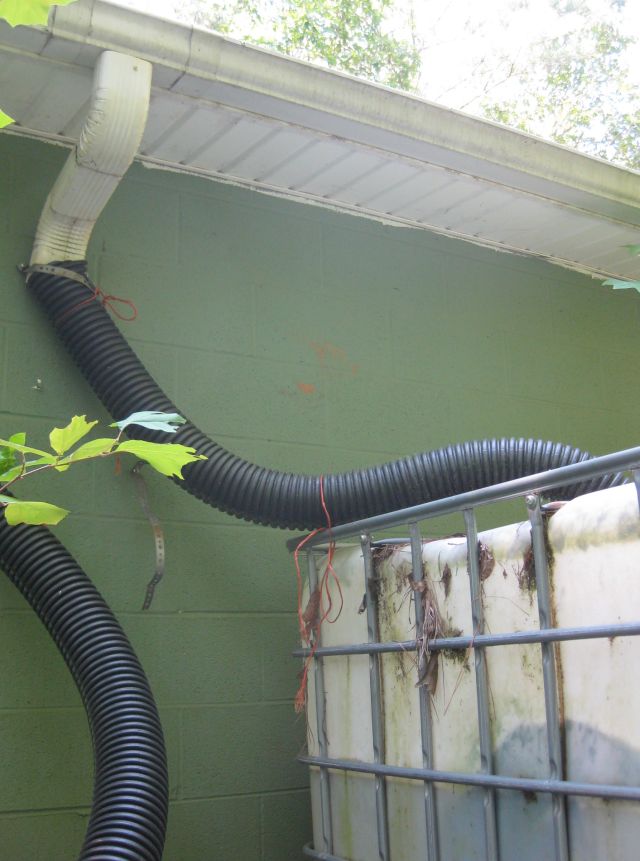
At my tractor building a 4″ corrugated pipe formed a u-bend, then filled with water, and broke loose.  Now with screws and straps I have secured it again and tried to prevent another u-bend forming.

ignore the hose at the bottom, that feeds a lower tank with water captured from the other side of the building
ignore the pipe at the bottom which feeds a lower tank with water captured from the other side of the building

Previously I used my heavy portable drill for inserting screws.  Now I use a real handy portable screwdriver which fits in my pocket and is easy to use.

a big time saver and easy to use
a big time saver and powerful enough

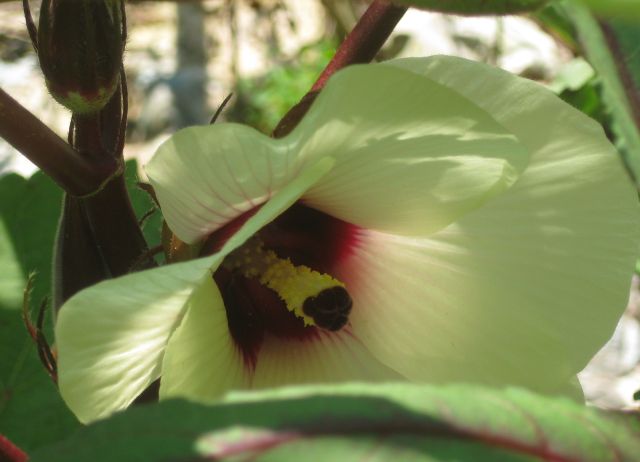
Tomatoes are a plenty and now the unusual okra plant is beginning to produce.  It has a striking flower.

the striking okra flower
the shadowed flower and behind it, small okra pods

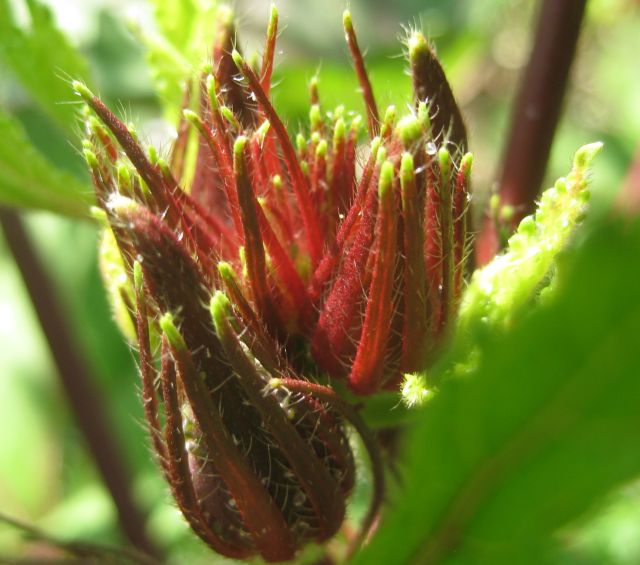
The flower transforms into future pods.

baby okras
baby okras

Which then grow into regular okra which we eat off the plant, when small, or grill with squash.

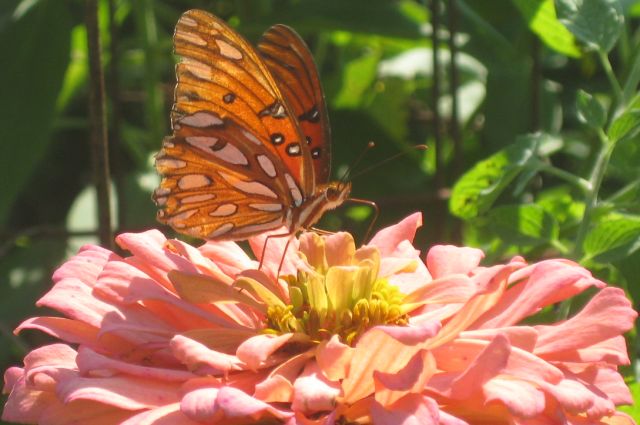
And, finally some more butterflies.

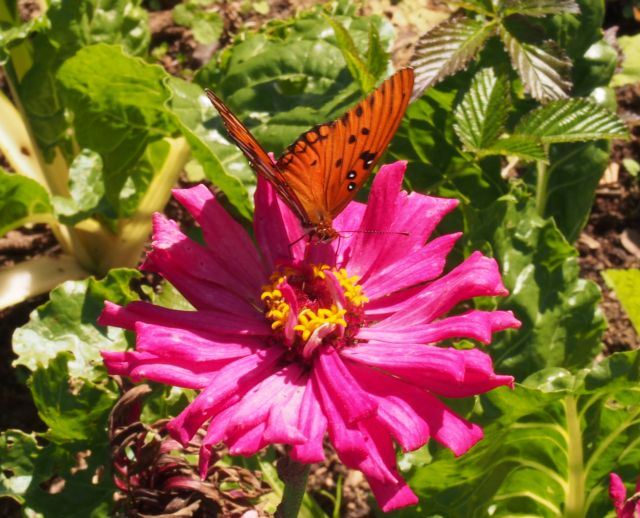
my decorative flowers in the growing area, pleasing to the eye and visitors
and my greens will soon harbor caterpillars

3 sisters, a new brush, problem = solution, food from the garden

3 sisters

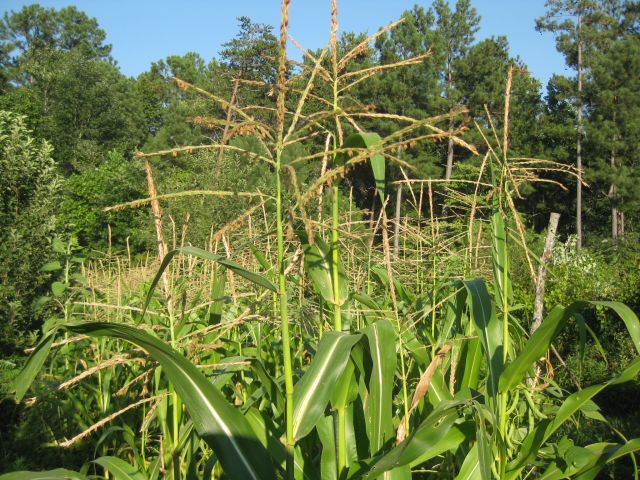
3 sisters refers to the practice of growing corn, climbing beans and squash closely together with the corn providing scaffolding for the beans, the beans providing nitrogen fixing and their hairy stems dissuading insects, and the squash shading out weeds and enabling water retention by the soil.  My 3 sisters appear to be doing ok, though I now realize some fine tuning is needed for next year.

corn reaching for the sky

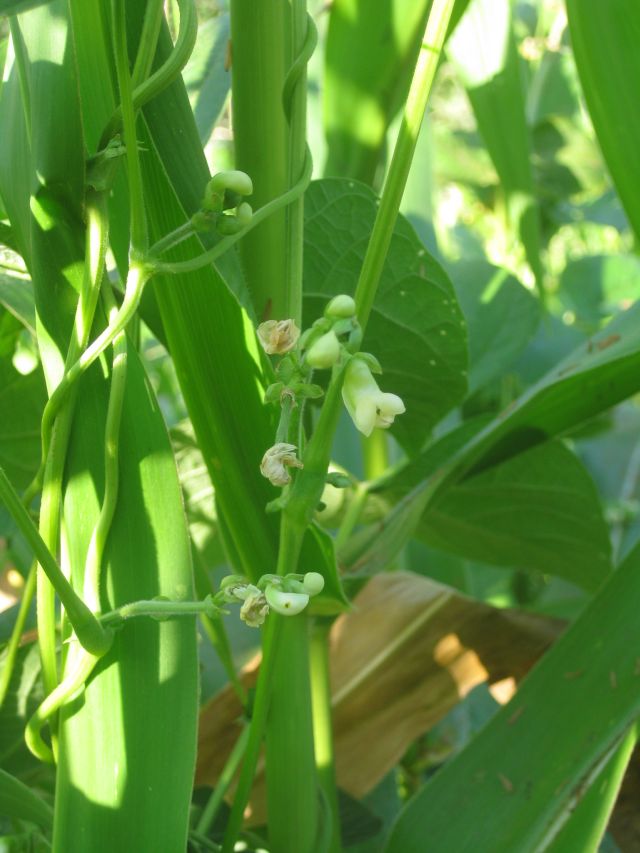
You can see the beans wrapping round the stalks.

bean vines growing on the corn

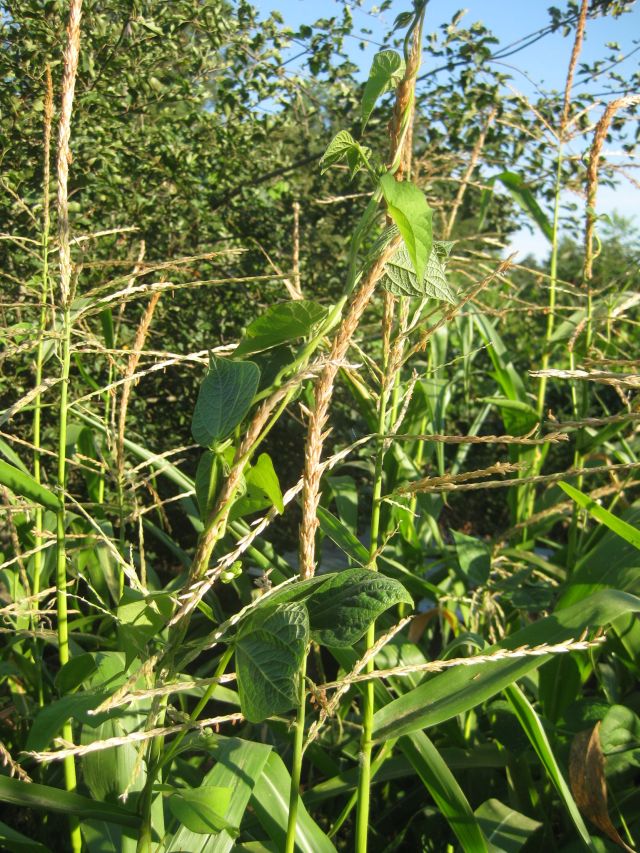
But is the corn handy scaffolding, or are the beans strangling the corn?

in some cases the aggressive been runners have encircled the corn tassels and pulled them down, hampering corn pollination

Next year I will give the corn a head start rather than plant the beans simultaneously with the corn.

a new brush

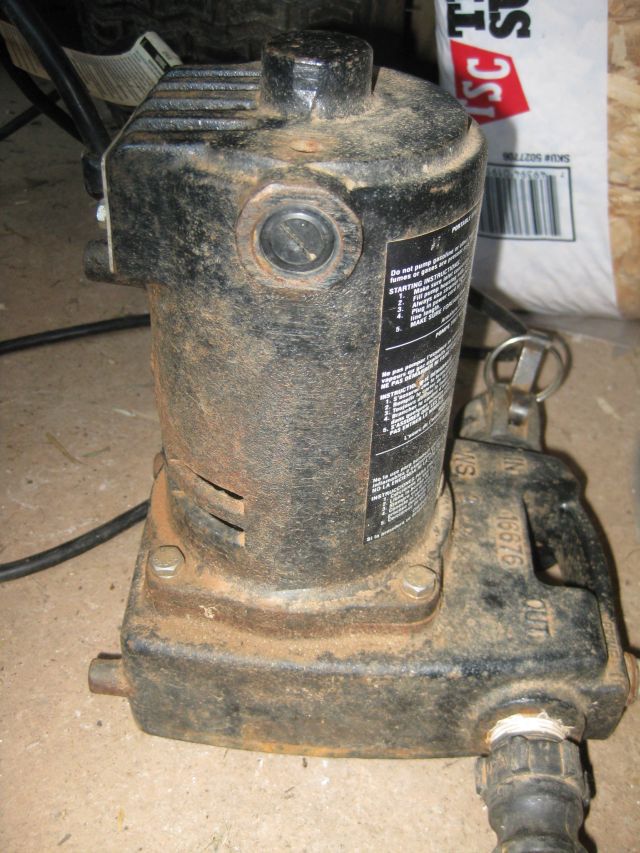
I have 2 water pumps for my rainwater harvesting operations and a couple days ago the one pump was very hesitant on the first go round and refused to start when I needed it a second time.  I remember in South Africa how it was well known that women could fix electrical appliances by giving them a kick – the floor polisher doesn’t work, kick it.  A well aimed kick could even start a car.  So I thought what the heck and I kicked the pump and it started up and ran for a bit.  And then stopped.  Must be the brushes I thought.  There are 2 brushes to a motor and they are easily replaced.

towards the top of the pic in the middle you can see the plug, easily undone with a screwdriver, behind which a brush resides

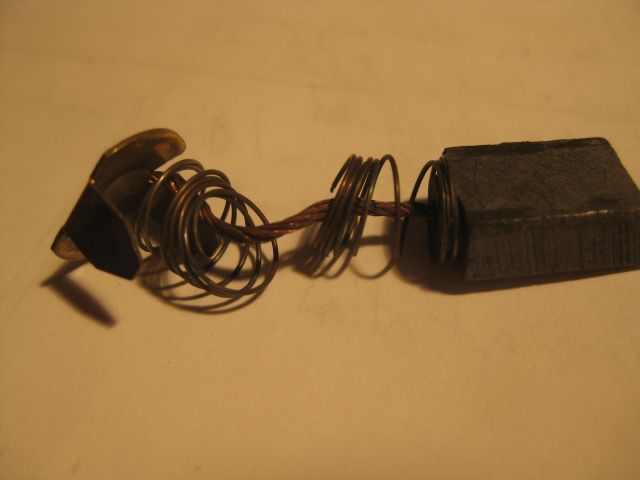
The first brush appeared fine with much remaining life.  Could it really be the brushes I thought since the 2nd brush presumably replicated the condition of the first.

But the 2nd brush it was, u can see the broken spring which disabled the brush

I cannibalized a disabled pump (see previous posts on ice damage to water pumps) and the pump started easily.  A quick inexpensive repair.

problem = solution

Transforming the problem into the solution is a permaculture mantra and discovering instances are pleasing to the audience and more so the discoverer.  I have a problem with rats and mice in my coop.  They are experienced tunnelers and prefer to live in chambers below the dirt floor because they are there protected from the elements, have easy access to food and water, less threatened by snakes and lots of bedding material like pine shavings and snips of plastic bags.  They are fastidious home proud family members and unfairly branded rodents and vermin.  However they are unwelcome in my coop and I tire of their telltale poop strewn on ledges and even in the chicken feed, so I want them out.

In the beginning I refilled their holes with excavated dirt; then I hammered stones into the hole entrances; then I bought sacks of concrete and concreted the holes.  In 1 week I used the entire contents of a 60 lb bag of concrete.  I then became a bit more creative.  I poured water into their holes and once, a bedraggled rat charged out the hole.  On other occasions, who knows, an inhabitant may have been trapped inside to a watery end.  Some chambers were large and absorbed 4 gallons of water before the entrance brimmed.  I know moth balls would have been effective, or so I have been told, but I did not want  anything noxious in the coop.  And then as I was shoveling chicken poop into a bucket – a brain wave.  Save the haul to the fruit tree and just slide it into the hole.  Followed by a good water drenching and a concrete cap.  Maybe it will work and the labor of chicken poop disposal engineered into a triumph over the inveterate tunnelers.

food from the garden

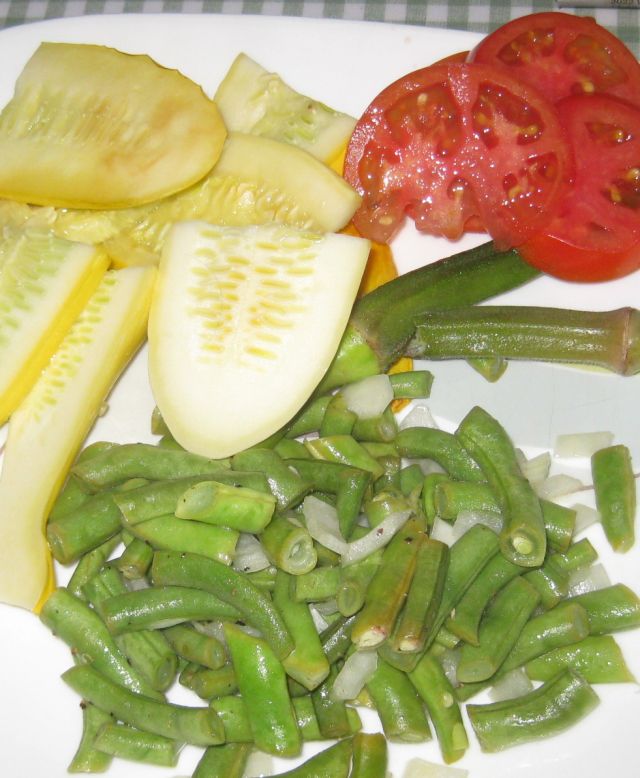
Lots to eat these days.

here squash, beans, onions, okra and tomatoes

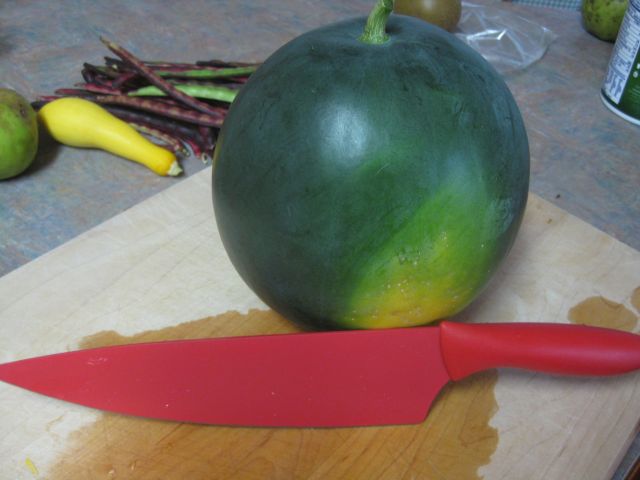
Supplemented with soy patties, mango chutney and sweet potato.  And several glasses of zin.  However, the melon which looked promising on the outside.

water melon looks promising

Was picked too early.

was picked too early.  soft and nice texture but not sweet enough
was picked too early. soft and nice texture but not sweet enough

Wait maybe another week.