This is not about environmental remediation, just correcting a few deficiencies in my nu trac environment.
Bees
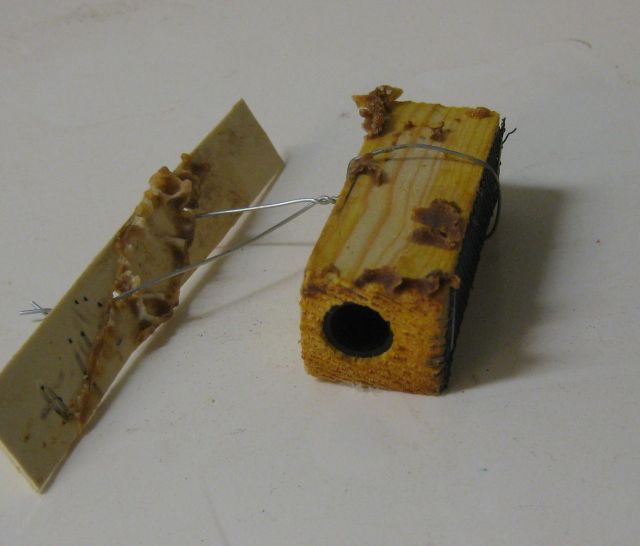
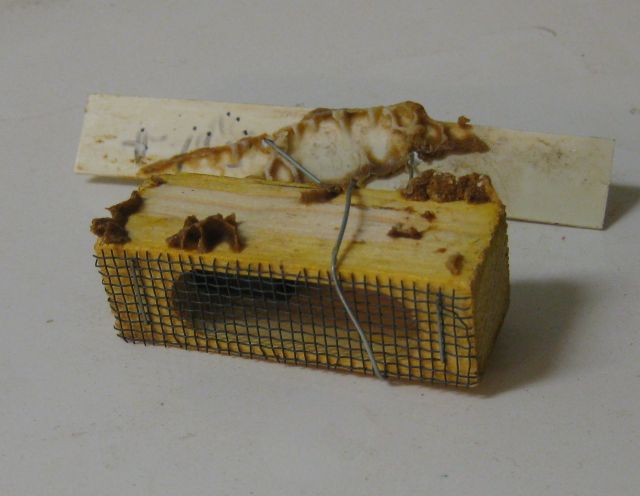
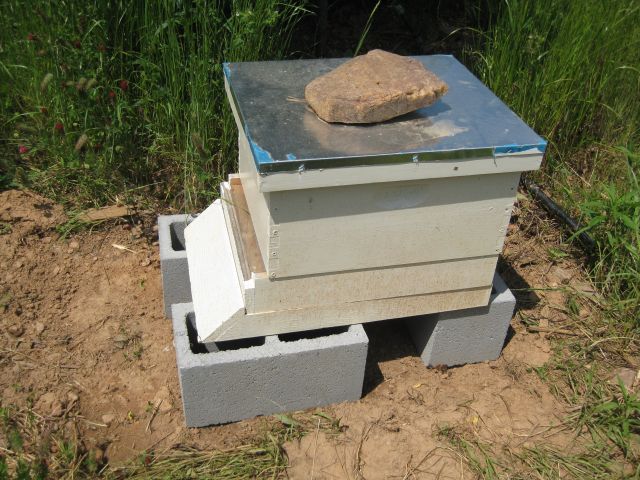
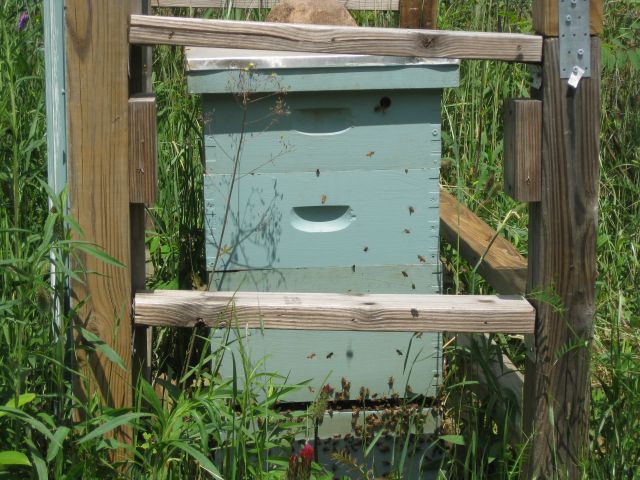
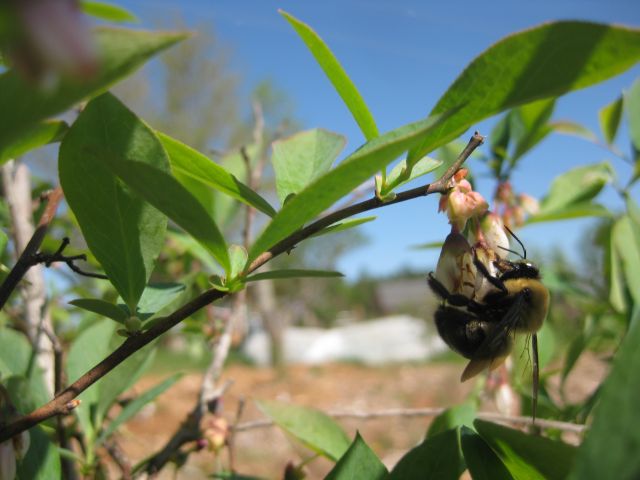
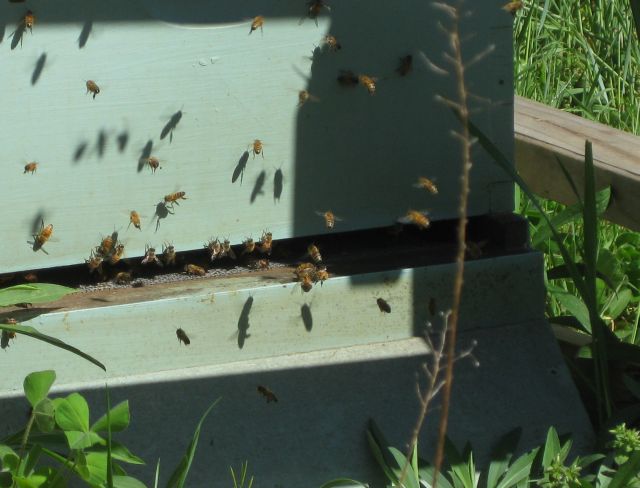
When I split the hive a few weeks ago by taking bees and frames from hive 1 and creating a new hive 2, I noticed that hive 1 had no brood and apparently no queen. In addition to the new queen I purchased for hive 2, I ordered a second queen for hive 1. The second queen and several attendants arrived in a queen’s cage last Friday from an Alabama beekeeper. After again confirming that hive 1 was queenless, I inserted the queen cage into the hive.
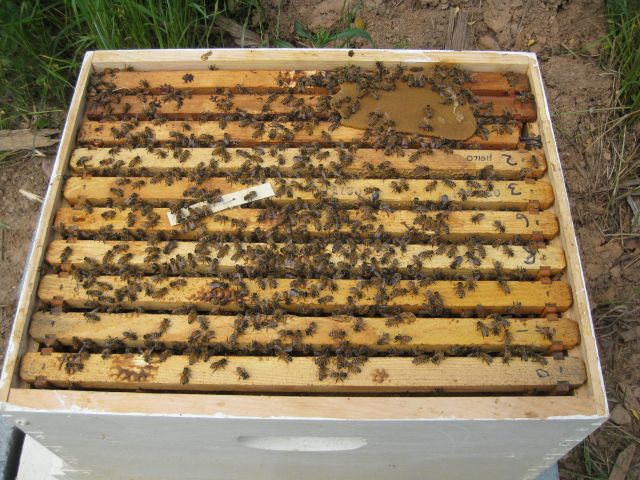
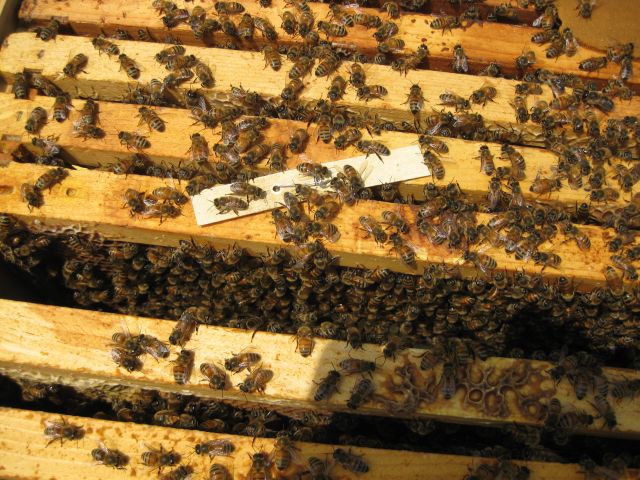
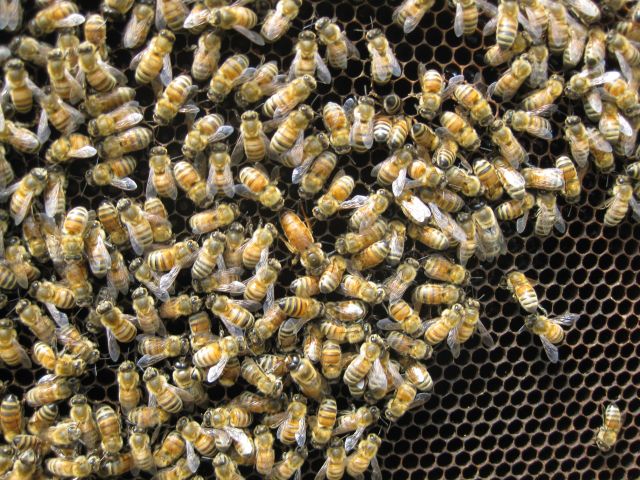
I mentioned in a previous post how observation can be distorted, often by preconceived notions. Hive 1 prior to introducing the queen was noisy, restless and it even looked as if robbing might be in progress. Hive 1 has lots of honey and I am waiting for it all to be sealed before I harvest it, so maybe, with the colony demoralized and on the decline, they were being robbed? Next day the hive seemed very different – no more agitated activity at the hive entrance and no angry responses to the slightest jarring of the hive bodies. So, I concluded, the caged queen’s pheromones were being spread around the hive and the inhabitants were settling down. Sunday I opened the hive to see how the bees were responding to the queen cage – they were gathered around it, could be easily brushed away (which indicates they were not attacking and trying to get at the queen) and seemed content. So this morning, four days after introducing the queen cage, I removed the cork and some of the candy from the hole in the cage. The bees should now remove the rest of the candy and I hope, in a few days when I reinspect, the queen cage will be empty and the queen will be busy egg laying. I should mention that the new queen in hive 2 has settled down well and has laid eggs in a tight pattern on both sides of one of the frames.
Fruit orchard
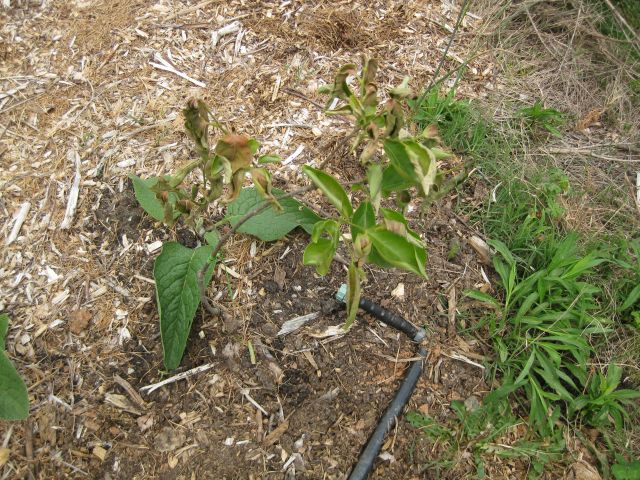
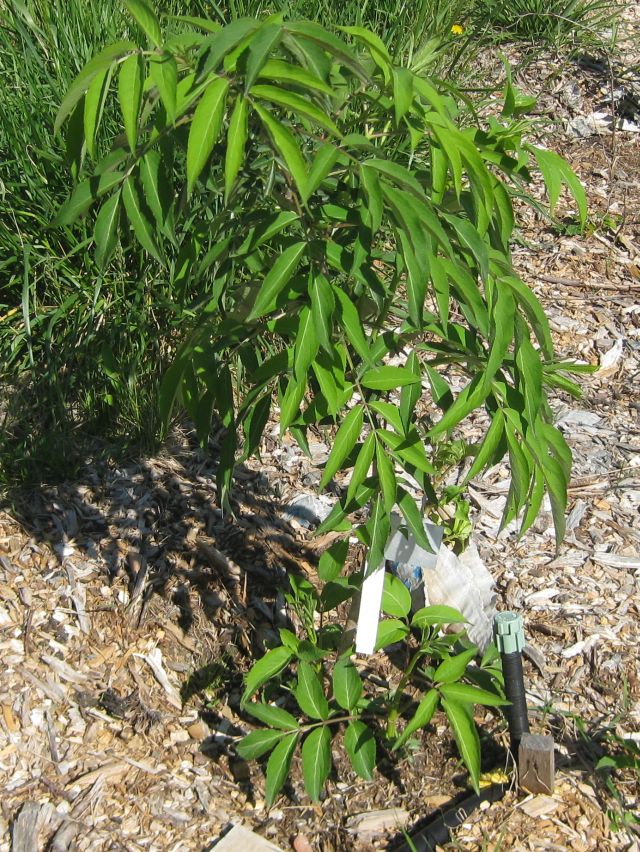
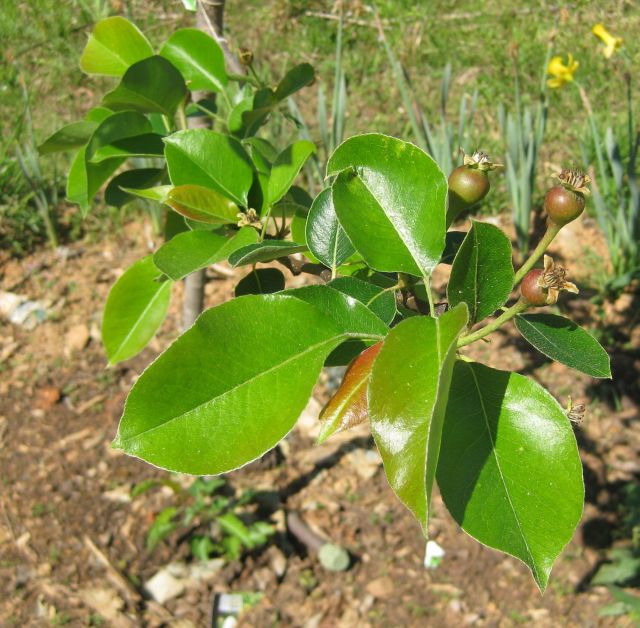
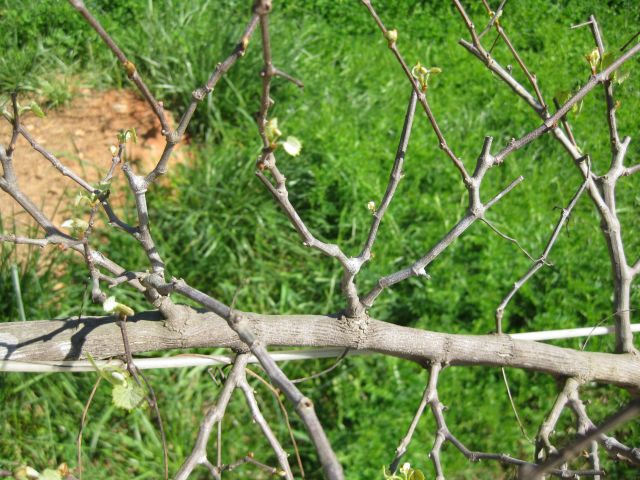
In February 2011 I began a new orchard and installed 12 different 1 year old trees. This spring I was sure 4 had died but, surprisingly, 2 unexpectedly produced leaves at their bases, so that left 2 victims – a Bing cherry and a Gold Nugett Loquat.
I took my first cuttings last fall and again earlier this year – most did not survive, but the fig cuttings looked strong, so I decided to replace the two dead fruit trees with a couple of cuttings. I began with the Bing cherry – I thought it would lift easily out of the ground as is common when the roots have rotted, but this cherry was anchored. I then found that though the trunk was dead the root trunk was very much alive and well established, so I left alone and hope I will soon be rewarded with shoots. The loquat lifted easily – just a short dead root trunk. I enlarged the hole and added some chicken manure and then compost and then installed the small fig cutting. I will water it frequently and I hope it will survive the transition. Since the fig cutting is from a nearby well established fig tree I know it will thrive in this area.